English
- All
- Product Name
- Product Keyword
- Product Model
- Product Summary
- Product Description
- Multi Field Search

Views: 0 Author: Site Editor Publish Time: 2025-12-25 Origin: Site
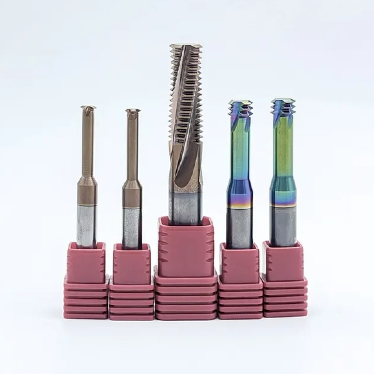
In the fast-paced world of manufacturing, maximizing productivity while maintaining precision is crucial. One of the key operations that directly impacts both productivity and the quality of finished products is holemaking. Holemaking is an essential part of many manufacturing processes, from the creation of assembly parts to the installation of fasteners, pipes, and more. As industries grow and become more advanced, the demand for high-performance holemaking tools that can operate with greater precision, speed, and efficiency has increased.
High-performance holemaking tools are designed to improve both the speed and quality of the holemaking process. These tools are essential for industries like aerospace, automotive, medical devices, and electronics, where precision and efficiency are paramount. In this article, we will explore how high-performance holemaking tools can help manufacturers maximize productivity, improve quality, and achieve greater profitability. We’ll look at the different types of high-performance holemaking tools, the benefits they offer, and how to choose the right tool for specific applications.
High-performance holemaking tools are specialized tools that are designed for precision and high-speed operations. These tools are typically made from high-quality materials such as high-speed steel (HSS), carbide, or coated carbide, which offer increased durability, wear resistance, and cutting efficiency. Unlike standard tools, high-performance holemaking tools are engineered to withstand high cutting forces and are capable of producing holes with tight tolerances and excellent surface finishes.
These tools are used in a variety of operations, including drilling, reaming, tapping, boring, and milling. High-performance holemaking tools are essential in industries where precision is critical, and operations need to be done quickly and efficiently to keep up with production demands.
To maximize productivity in holemaking, it’s important to understand the different types of high-performance tools available. Let’s explore some of the most commonly used high-performance holemaking tools:
High-speed steel (HSS) drills are some of the most widely used holemaking tools. HSS is a tool steel known for its ability to withstand high temperatures and maintain sharpness even during extended cutting operations. HSS drills are ideal for drilling through materials like metal, wood, and plastic.
High-performance HSS drills are designed to provide better cutting performance, longer tool life, and superior accuracy. They are ideal for applications where precision is required but where speed is equally important.
Great for drilling tough materials at high speeds
Excellent resistance to heat and wear
Cost-effective and versatile for various materials
Carbide drills are made from carbide, a material that is harder than high-speed steel and can withstand higher cutting forces. These drills are highly durable and can maintain their sharpness for a longer period, making them ideal for high-volume drilling operations. Carbide drills are typically used in metalworking, particularly for drilling tough materials like steel, titanium, and other high-strength metals.
High-performance carbide drills are designed to cut with high efficiency and produce precise, clean holes with minimal burr formation.
Longer tool life and improved cutting performance
Excellent for high-speed and high-precision applications
Ideal for drilling tough materials like steel and titanium
Tapping is used to create internal threads in a hole. High-performance taps are made from high-quality materials such as carbide or HSS and are designed to provide clean, accurate threads at high speeds. Tapping tools are used when a hole is needed to accommodate screws or bolts, making them essential for a wide range of manufacturing processes.
High-performance taps can perform dry tapping, which eliminates the need for lubricants and improves the efficiency of the process. They can also handle high-torque applications and are available in various forms, including spiral taps, straight taps, and blind-hole taps, depending on the needs of the operation.
High precision in creating threads
Ideal for high-speed operations and tough materials
Increased tool life and resistance to wear
Reamers are tools used to enlarge or refine an existing hole to a precise size. High-performance reamers are used when high precision and a smooth finish are needed. These tools are commonly used after drilling to achieve tight tolerances or to remove any burrs and imperfections left by the drilling process.
Carbide reamers are often used for hard materials, offering superior cutting ability and longevity. For softer materials, HSS reamers are more suitable as they offer excellent performance at a lower cost.
Provides high-precision holes with smooth finishes
Ideal for applications requiring tight tolerances
Increases hole size with minimal effort, saving time
Boring is the process of enlarging or refining a hole that has already been drilled. Boring bars are used to achieve this by gradually removing material to create an accurate, precise hole. High-performance boring tools are equipped with cutting edges made from high-quality carbide or HSS and are designed for high-speed operations.
These tools are particularly useful in machining industries like aerospace and automotive, where precise hole dimensions are essential.
Offers superior precision for hole enlargements
Ideal for deep-hole drilling or enlarging blind holes
Increases hole accuracy for high-tolerance applications
Hole saws are used to cut larger holes in a wide range of materials, including metal, wood, and plastic. High-performance hole saws are made from tough materials like bi-metal or carbide, which allow them to cut through harder materials with ease.
These saws are ideal for creating large holes in materials where a traditional drill may not be effective.
Allows for faster hole creation in larger diameters
Ideal for cutting through thicker materials
Durable and long-lasting, even in tough applications
In manufacturing, maximizing productivity means minimizing downtime, improving process efficiency, and maintaining high levels of accuracy and consistency. High-performance holemaking tools contribute to all of these factors, improving the overall productivity of the operation. Here are several ways these tools help maximize productivity:
High-performance holemaking tools are designed to cut through materials more quickly and efficiently than standard tools. For instance, carbide drills and HSS reamers can achieve higher cutting speeds without sacrificing precision. This speed allows manufacturers to complete holemaking operations faster, leading to shorter production cycles and higher throughput.
One of the key advantages of high-performance holemaking tools is their extended tool life. Tools made from carbide or high-quality HSS can withstand higher temperatures, cutting forces, and wear, reducing the frequency of tool replacements. This not only reduces costs but also minimizes the amount of downtime spent on tool changes and maintenance.
Precision is critical in manufacturing, especially in industries like aerospace and medical device production. High-performance holemaking tools provide tighter tolerances and smoother finishes, which ensures that holes are created with the highest degree of accuracy. By reducing the need for secondary finishing processes, these tools help manufacturers save time and resources while improving the quality of the final product.
High-performance tools are designed to handle a wide range of materials, including hard metals like titanium, steel, and alloys, which are commonly used in industries such as aerospace, automotive, and medical device manufacturing. These tools allow manufacturers to work with tough materials that may be difficult to drill or cut with standard tools, enhancing both efficiency and material versatility.
With high-precision holemaking tools, the chances of errors and scrap material are significantly reduced. High-performance tools help produce accurate holes the first time, reducing the need for rework and improving material utilization. This leads to a more cost-effective operation, as fewer materials are wasted during production.
Selecting the right high-performance holemaking tool for a specific task depends on several factors, including:
Material: Consider the material you are working with. Hard metals like titanium require tools made of carbide, while softer materials may be suitable for HSS tools.
Hole Size: Larger holes may require hole saws or drills, while smaller, precise holes may require reamers or boring tools.
Tolerance Requirements: If high precision is needed, tools like reamers and taps should be chosen for their ability to provide tight tolerances.
Production Volume: For high-volume operations, tools that offer long tool life and high cutting speeds, such as carbide drills, are ideal.
Machining Method: Some tools are better suited for CNC machining, while others may be used for manual operations. It’s important to match the tool to the equipment being used.
High-performance holemaking tools are essential for maximizing productivity in manufacturing. These tools offer a combination of speed, precision, and durability that allows manufacturers to improve production efficiency and produce high-quality products. Whether you are working with tough metals in aerospace, creating components in automotive manufacturing, or producing intricate parts for medical devices, high-performance holemaking tools provide the accuracy and reliability required to meet industry standards.
By selecting the appropriate holemaking tool for the task, manufacturers can reduce cycle times, improve product quality, and increase profitability. The ongoing evolution of these tools, alongside advancements in materials and manufacturing processes, ensures that high-performance holemaking tools will continue to play a critical role in the success of manufacturing operations across industries.
For manufacturers seeking high-quality, durable holemaking tools to maximize productivity, SUPSTEED Precision Tools Co., Ltd. offers a wide range of high-performance options designed to meet the needs of modern manufacturing.
Q: What is the difference between HSS and carbide holemaking tools?
A: HSS tools are made from high-speed steel and are suitable for general holemaking tasks. Carbide tools, on the other hand, are harder and more wear-resistant, making them ideal for high-speed and high-precision operations in hard materials.
Q: How can I improve the lifespan of my holemaking tools?
A: To improve the lifespan of your tools, make sure they are properly maintained, including regular cleaning, proper storage, and using the correct cutting parameters such as feed rate, speed, and lubrication.
Q: Are high-performance holemaking tools suitable for all materials?
A: High-performance tools are designed to handle a wide range of materials, including tough metals like titanium and steel. However, it’s important to select the right tool for the material you’re working with, as some tools are optimized for specific materials.
Q: How can I ensure the precision of my holes in mass production?
A: To ensure precision in mass production, use high-quality holemaking tools with tight tolerances, such as reamers and taps. CNC machines can also ensure consistency across large production runs.
Q: How do I select the right holemaking tool for a specific job?
A: When selecting a holemaking tool, consider factors like the material being worked on, the required hole size and tolerance, the type of operation (drilling, tapping, boring, etc.), and the production volume. Matching the right tool to the job will help maximize efficiency and precision.


