- All
- Product Name
- Product Keyword
- Product Model
- Product Summary
- Product Description
- Multi Field Search


| Quantity: | |
|---|---|
Straight Flute End Mills
We are pleased to introduce our Straight Flute End Mills, developed with advanced materials and precision manufacturing techniques to meet the highest machining standards. These tools are ideal for a wide range of woodworking and board material processing applications.
Key Features:
Imported Ultra-Fine Grain Tungsten Carbide Rods:
Our end mills are manufactured using high-quality tungsten carbide with ultra-fine grain, ensuring high hardness and extended tool life, even for demanding applications.
Mirror-Edge Grinding Technology:
This advanced grinding process ensures the cutting edges are sharp, wear-resistant, and burr-free, delivering smooth, clean cutting surfaces with excellent finish quality.
Straight Flute Design:
The straight flute structure is optimized with a large chip evacuation capacity, ensuring smooth chip removal and improving machining precision and efficiency.
High-Quality Surface Finish:
Designed for clean, accurate cuts, these tools are perfect for achieving a refined and professional finish in every application.
Material Compatibility:
Our straight flute end mills are highly versatile and suitable for processing a variety of board materials, including:
Solid wood boards
Plywood
Medium-density fiberboard (MDF)
Composite boards
Advantages:
Superior Durability: Manufactured with high-hardness tungsten carbide for a long-lasting cutting performance.
Precision Cutting: Mirror-edge grinding ensures sharp, burr-free edges for high-quality, smooth finishes.
Efficient Chip Removal: The straight flute design allows for large chip evacuation, reducing blockages and improving cutting accuracy.
Versatility: Ideal for both rough and fine machining of wood and composite materials.
Show Details

Specitications
| SIZES(D*L*L) | |||
| D3.175*(12/17)*38L | D6*32*60L | D8*52*80L | |
| D3.175*(22/25)*45L | D6*42*70L | D8*62*100L | |
| D3.175*28*50L | D6*52*80L | D10*32*65L | |
| D4*(17/22)*45L | D6*62*100L | D10*42*75L | |
| D4*25*50L | D8*25*60L | D10*62*100L | |
| D4*32*60L | D8*32*60L | ||
| D6*(17/22/25)*50L | D8*42*70L | ||
Clients Good Feedback

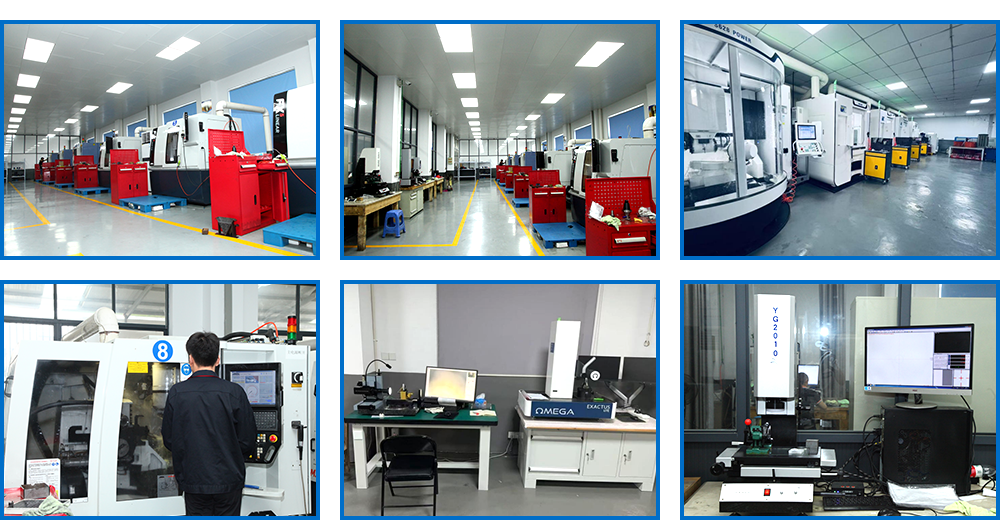
Factory
Service Introduction

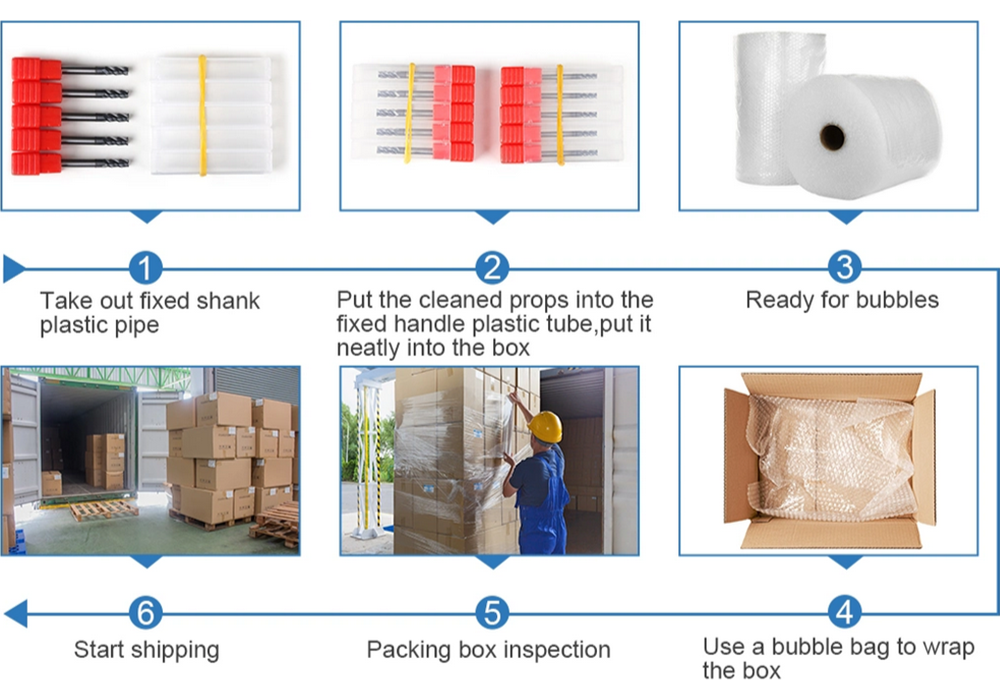
Logistics Package
FAQ
Q1: What is a Straight Flute End Mill?
A: A straight flute end mill is a cutting tool used in milling machines. Unlike spiral flute end mills, its cutting edges (flutes) run straight and parallel to the tool's axis (0° helix angle). It's primarily designed for precise plunge cutting, slotting, and milling brittle materials where minimal side thrust and clean, sharp edges are critical.
Q2: What are the main advantages of using a Straight Flute End Mill?
A: Key advantages include:
Reduced Side Thrust: Minimal radial force prevents workpiece deflection and allows for very accurate plunge cuts and slotting.
Clean Edges on Brittle Materials: Excellent for producing sharp, chip-free edges on materials like acrylic, plastic, PCB laminates, wood composites, and some ceramics.
Precision Plunging: The geometry excels at drilling-like plunge operations into solid material to start slots or pockets.
Shearing Action: Can provide a cleaner shearing cut on certain non-ferrous metals like brass and aluminum.
Q3: When should I choose a Straight Flute End Mill over a Spiral Flute End Mill?
A: Choose a Straight Flute End Mill when:
Your primary operation is precise plunge cutting or slotting.
You are machining brittle materials prone to chipping or delamination (e.g., plastics, acrylics, laminates, composites, wood).
You require absolutely minimal radial force to avoid workpiece deflection.
You need exceptionally sharp, clean edges.
You are working with soft, gummy non-ferrous metals like pure aluminum or brass where a spiral flute might "grab" or cause burrs.
Q4: How many flutes (cutting edges) do Straight Flute End Mills typically have?
A: They are most commonly available as single-flute or double-flute tools.
Single-Flute: Offers the largest chip clearance, ideal for very soft, gummy materials or where maximum chip evacuation during plunging is critical (e.g., deep slots in plastics). Provides the lowest cutting forces.
Double-Flute: Provides a better balance between cutting speed, finish quality, and tool strength. Most versatile for general straight flute applications across various materials. Offers improved stability over single flute.
Q5: Are there any important considerations when using a Straight Flute End Mill?
A: Yes, important considerations include:
Chip Evacuation: Straight flutes are less efficient at evacuating chips up out of a deep slot than spiral flutes. Use adequate air blast or coolant, appropriate depth of cut, and potentially peck plunging.
Cutting Forces: While radial forces are low, the cutting action can generate significant axial (downward) force during plunging. Ensure the workpiece and setup are rigid and securely clamped.
Material Suitability: Generally not recommended for efficient roughing of tough steels or iron. Best suited for plunge cutting, slotting, and finishing brittle materials or softer non-ferrous metals.
Speed & Feed: Consult manufacturer recommendations. Due to the shearing action and chip evacuation challenges, feeds and speeds might differ from spiral flute tools for the same material. Often run at slightly lower feed rates.


