- All
- Product Name
- Product Keyword
- Product Model
- Product Summary
- Product Description
- Multi Field Search

Views: 0 Author: Site Editor Publish Time: 2026-03-24 Origin: Site

Selecting the right holemaking tools can make or break your project. But how do you choose between tools designed for metal versus wood? The two materials require entirely different approaches for optimal results. In this article, we will compare the tools for metal and wood applications, focusing on their key differences, performance, and the best choices for your specific needs.
Material compatibility is the first key consideration when selecting holemaking tools. Wood and metal have drastically different properties, which influence the types of tools that are suitable for each material. Wood is soft and less dense, making it easier to drill, while metals are dense, harder, and often more heat-resistant, requiring specialized tools to handle the tougher materials.
● Wood Drill Bits: Designed specifically for cutting through wood, plywood, MDF, and similar soft or medium-density materials. Wood drill bits are made with a sharp brad point, which helps the bit stay centered and prevent wandering during drilling. These bits feature wide flutes that clear chips quickly, ensuring smooth, uninterrupted drilling.
● Metal Drill Bits: Metal drill bits, in contrast, are built to handle tougher materials such as steel, aluminum, brass, and cast iron. These bits are typically made from tougher materials like high-speed steel (HSS), cobalt, or carbide, and they are built to endure the high temperatures and forces that occur when cutting through hard metals.
It is important to choose the right drill bit based on the material to avoid damaging the tool and the workpiece. For example, using a wood drill bit on metal can cause it to break or wear out quickly, while using a metal drill bit on wood can leave rough, uneven edges.
The design of the tip plays a critical role in how effectively a drill bit can start cutting and how smoothly it performs throughout the drilling process.
● Wood Drill Bits: Wood drill bits typically have a sharp brad point that helps guide the bit into the material with precision. This point helps the bit avoid wandering and ensures that the hole is drilled exactly where you intend it to be. Many wood drill bits also have spurs on the edges that help slice through wood fibers cleanly and create smooth hole edges without splintering.
● Metal Drill Bits: Metal drill bits, in contrast, generally feature a conical or split-point tip design. The conical tip helps the bit gradually cut through the material, allowing it to maintain cutting efficiency without applying excessive force. Split-point tips, on the other hand, help prevent the bit from slipping when drilling into metal, providing better control and precision.
The point design of the drill bit directly affects the quality of the hole and the ease with which the material is drilled. For precision drilling in wood, brad point bits are ideal, while metal drill bits with split-point designs are best suited for tough materials.
The flute design of a drill bit plays an essential role in chip removal. Efficient chip removal is necessary to maintain cutting performance and prevent overheating, especially when drilling through harder materials like metal.
● Wood Drill Bits: Wood drill bits generally feature wider and deeper flutes. The wide flutes allow for rapid evacuation of larger wood chips, which is important because wood produces larger, fibrous shavings that need to be cleared quickly to avoid clogging. Efficient chip removal helps reduce friction and ensures smooth, fast drilling.
● Metal Drill Bits: Metal drill bits, in contrast, tend to have narrower and shallower flutes. These narrower flutes are designed to manage the smaller, tightly wound chips created when drilling through metal. Narrow flutes help ensure that the bit maintains its structural integrity while cutting through tough materials and can handle the higher temperatures generated during the drilling process.
For both wood and metal drilling, the right flute design is crucial for preventing clogging and ensuring a smooth, efficient drilling process. If the chips aren't removed properly, the friction generated can lead to overheating, which can damage both the tool and the material.
Woodworking projects require specific drill bits to achieve the best results. The following are common types of wood drill bits and their primary uses:
Drill Bit Type | Description | Best Use |
Brad Point Bits | Sharp point at the center and spurs on the edges for clean cuts. | Precision drilling in wood for clean, sharp edges. |
Spade Bits | Flat bits with a pointed tip, ideal for larger holes. | Fast drilling of larger holes in softwood and plywood. |
Forstner Bits | Flat-bottomed with a central point, ideal for clean holes. | Creating flat-bottomed holes for furniture and cabinetry. |
Auger Bits | Spiral-shaped with a cutting head to remove large chips. | Drilling deep holes in thick timber and softwoods. |
Tip: For clean and precise holes in wood, use brad point bits or Forstner bits. For larger holes, spade or auger bits are ideal.
● Cutting Speed: Wood drill bits are designed for high-speed drilling. Since wood is relatively soft, the bits can cut through it quickly without generating excessive heat, which would damage both the bit and the material.
● Finish Quality: Wood drill bits are engineered to provide clean, smooth finishes. The sharpness of the brad point helps prevent the bit from wandering, and the side spurs ensure that wood fibers are cleanly sliced, leaving a smooth hole with minimal splintering.
Different woodworking projects require different types of drill bits. For example:
● Furniture Making: Brad point bits and Forstner bits are perfect for fine woodworking projects where precision is critical. Brad point bits are excellent for drilling small dowel holes, while Forstner bits are ideal for drilling flat-bottomed holes.
● General Woodworking: Spade and auger bits are typically used for larger holes or for rough drilling tasks where speed is more important than finish quality.
Metalworking requires specialized drill bits designed to handle the challenges of drilling through hard materials. Here are the most common types of metal drill bits:
Drill Bit Type | Description | Best Use |
Twist Drill Bits | The most common drill bit, versatile for various materials. | General-purpose metalworking and drilling. |
Cobalt and Carbide Bits | These bits offer increased hardness and heat resistance. | Drilling tough materials like stainless steel and titanium. |
Step Drill Bits | These bits have multiple diameters and are ideal for thin metals. | Drilling holes in sheet metal with varying diameters. |
Tip: For tougher metals, invest in cobalt or carbide bits to ensure durability and high performance.
● Cutting Speed: Metal drilling requires slower speeds than wood drilling due to the density and heat generated during the process. Using slower speeds prevents the drill bit from overheating and ensures a smooth, clean hole.
● Durability: Metal drill bits need to be more durable than wood drill bits to handle the higher pressures and heat that arise when drilling metal. This is why materials like cobalt, carbide, and HSS are commonly used in metal bits.
● Heavy Machinery Repairs: For hard materials like stainless steel and high-strength alloys, carbide or cobalt drill bits are the best options for their heat resistance and cutting durability.
● Sheet Metal: Step drill bits are ideal for drilling different-sized holes in metal sheets, providing excellent precision and efficiency.
● Wood Tools: Sharp, aggressive tips are designed for clean entry into wood fibers, ensuring precise hole placement.
● Metal Tools: Blunt, conical tips that are better suited for cutting through hard metals and maintaining cutting efficiency under high temperatures.
● Wood Tools: These tools have a lower heat tolerance but are capable of operating at high speeds, making them ideal for fast and efficient wood drilling.
● Metal Tools: Metal drill bits are designed for higher heat resistance to handle the friction and heat produced when cutting through hard metals.
● Wood Tools: Operate at higher speeds for faster drilling of softer materials.
● Metal Tools: Metal drill bits operate slower to ensure that the material is drilled cleanly and efficiently, preventing the bit from overheating.
Choosing the correct holemaking tool ensures that the drilling process is efficient and accurate. Using the correct tool for the material ensures a clean cut and reduces the need for rework.
Using the appropriate drill bit for each material helps extend the lifespan of both the tool and the workpiece, reducing the frequency of tool replacements and saving money in the long run.
Proper tool selection minimizes the risk of tool breakage, splintering, or accidental damage to both the material and the tool itself. Always ensure you are using the correct tool for the job.
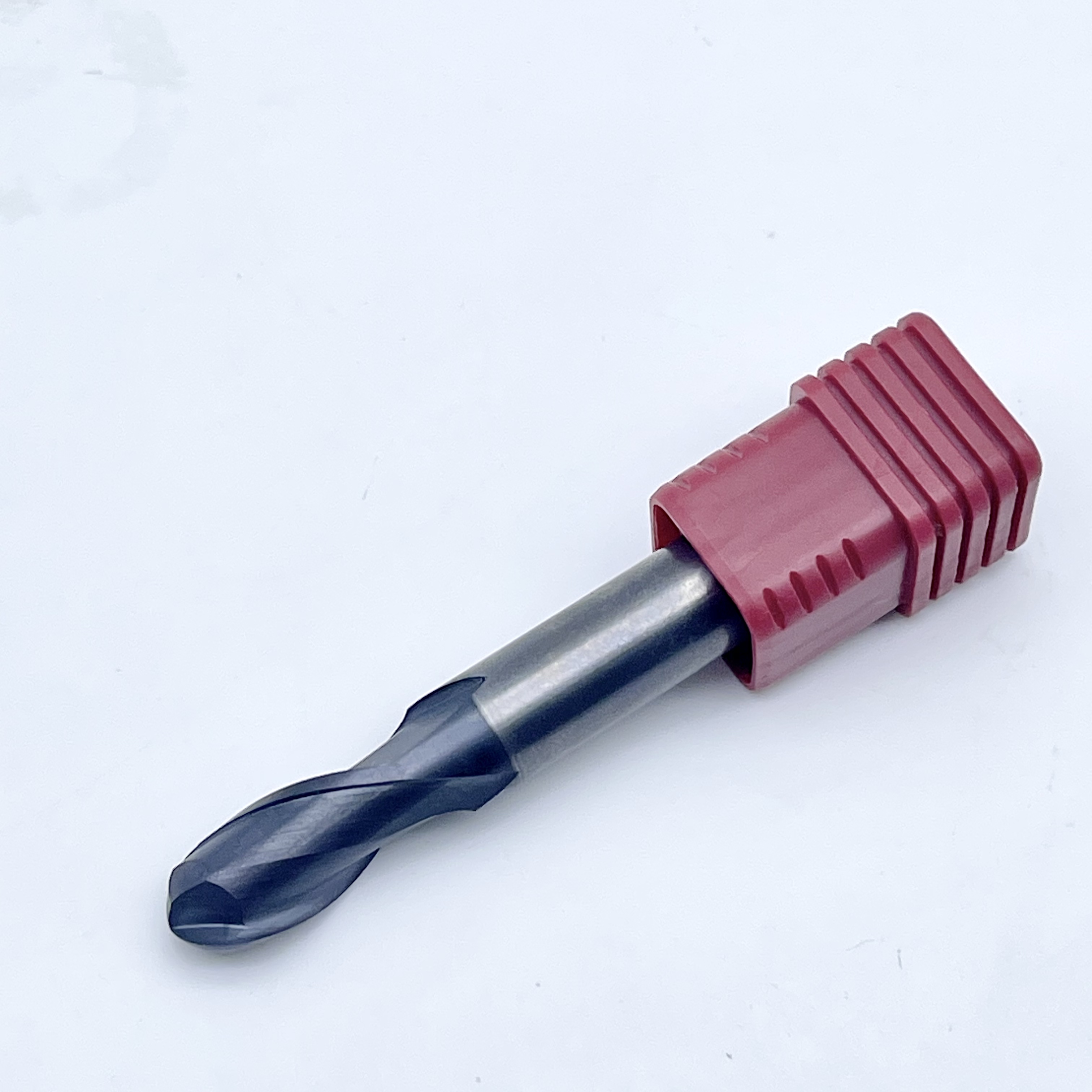
● Advantages: Metal drill bits can work on softwood, but they may leave rough edges.
● Disadvantages: Metal drill bits can damage the wood, creating uneven holes and reducing the precision of your work.
● Advantages: Wood drill bits are faster and easier to use for softwood, but they perform poorly on metal.
● Disadvantages: They can break or become damaged quickly when used on metal, leading to inefficient drilling and rough holes.
Selecting the right holemaking tool for your project is essential for achieving clean, precise results. Wood drill bits are optimized for fast, efficient drilling of soft materials, while metal drill bits are designed for hard materials, providing the durability and heat resistance needed for metalworking. Always choose a tool that matches the material and task at hand to ensure the best results and prolong tool life. SUPSTEED offers high-performance carbide drills and tools that deliver unmatched precision and durability for both wood and metal applications.
A: Holemaking tools for wood are designed for fast cutting and clean finishes, while metal tools need durability, heat resistance, and slower speeds to handle tougher materials.
A: Selecting the right holemaking tool ensures precision, efficiency, and tool longevity, leading to better results and fewer tool replacements.
A: While metal drill bits can be used on softwood, they may leave rough edges and are not ideal for wood, as they lack the sharp tips needed for clean entry.
A: Choose carbide or cobalt drill bits for tougher metals like stainless steel or titanium, as they offer better heat resistance and durability.
A: SUPSTEED's carbide drills offer superior performance, precision, and durability for both metal and wood applications, ensuring long-lasting results and productivity.


