English
- All
- Product Name
- Product Keyword
- Product Model
- Product Summary
- Product Description
- Multi Field Search

Views: 0 Author: Site Editor Publish Time: 2026-03-19 Origin: Site

Have you ever struggled to choose the right tool for a holemaking project? The wrong tool can lead to wasted time and materials. In this article, we’ll show you how to select the perfect holemaking tools based on your project’s needs. You'll discover how factors like material, hole size, and tolerance can guide your decision for optimal results.
Before selecting a holemaking tool, it is essential to understand the specific requirements of your project. The characteristics of the workpiece and the intended hole will dictate which tool is the best fit. In this section, we will discuss the most important factors to consider, including material selection, hole size and depth, and tolerance requirements.
The material you're working with plays a significant role in determining the right holemaking tool. Different materials have varying levels of hardness, ductility, and thermal properties, which affect how tools perform during machining. Let's break this down:
● Hardness: Harder materials like stainless steel, titanium, and high-carbon steels require tools made of harder materials such as carbide. Carbide tools are more durable and can withstand higher temperatures, making them ideal for tough materials.
● Ductility: Softer materials like aluminum, brass, or plastics are more malleable and can be machined using HSS (High-Speed Steel) tools. These materials require less force, and HSS tools are generally more cost-effective for such applications.
● Thermal Properties: Some materials generate excessive heat when drilled, which can lead to tool wear and poor hole quality. For materials such as titanium or high-strength alloys, tools with specific coatings like TiN (Titanium Nitride) or TiAlN (Titanium Aluminum Nitride) are preferred, as they reduce heat buildup and increase tool life.
By carefully selecting the tool material that aligns with the characteristics of the workpiece, you can improve both efficiency and tool longevity. It's important to always match the tool material to the specific requirements of the material you are working with.
The size and depth of the hole you need to create are fundamental factors in choosing the right holemaking tool. Some tools are better suited for small, shallow holes, while others are designed for larger or deeper holes. Here’s what you need to consider:
● Standard Holes: For most standard hole sizes, a twist drill bit or spade drill will be sufficient. Twist drill bits are versatile and work well for general-purpose drilling, while spade drills are designed for larger holes and are often used in machining aluminum or softer metals.
● Deep Holes: When drilling deeper holes (generally those with a depth-to-diameter ratio greater than four), special drills are needed to maintain straightness and prevent vibration. Deep-hole drills or guided drills help ensure that the hole remains accurate and true throughout the drilling process. Coolant systems may also be required for chip removal and to avoid overheating during deep-hole operations.
It is also important to understand the limitations of standard drills, as they may struggle with depth or larger diameters. For deeper holes, a special drill bit with a longer shank and a different cutting edge geometry may be necessary.
The quality of the hole’s finish and the tolerance required for your project are key factors in selecting the right tool. Tight tolerances are often necessary for parts used in industries like aerospace, automotive, and medical, where precision is critical. The surface finish required will also influence tool choice:
● High Precision: If your project requires high precision, such as for aerospace or automotive components, you will need tools capable of maintaining strict tolerances. Reamers and broaches are often used in these applications to achieve the necessary dimensional accuracy and smoothness after initial drilling.
● Surface Finish: Depending on the type of finish you require, you may need to use additional tools to smooth out the hole. If a very smooth finish is required, polishing or honing tools may be used after drilling. The surface finish is often measured in terms of roughness (Ra), which specifies the height of surface irregularities.
The degree of tolerance and the desired surface finish will directly impact your choice of tool. High-speed steel or carbide tools, coupled with reaming or honing, can achieve the level of precision required for the most demanding applications.
There are many types of holemaking tools available, each suited for different applications. In this section, we will explore some of the most common tools and their specific uses in holemaking operations.
Drill bits are the most common holemaking tools used in the industry. They come in various types and sizes, depending on the application:
● Twist Drill Bits: These are the most versatile and widely used drill bits. They are used for general-purpose drilling and can be used with a wide range of materials, including metals, plastics, and wood.
● Spade Drills: These are used for larger holes. Spade drills offer better precision and a smoother finish than twist drills and are ideal for operations in softer materials such as aluminum.
● Indexable Drills: These tools feature replaceable inserts, allowing them to be more cost-effective for high-volume operations. They offer longer tool life and more consistent performance in industrial settings.
Broaches are tools used to create precise, smooth holes in a variety of materials. Broaching is typically used for operations that require exact hole shapes and finishes. Some types of broaches include:
● Push and Pull Broaches: These tools are used for cutting keyways, internal profiles, or other specific shapes inside a hole.
● Keyway Broaches: These are ideal for cutting internal keyways with high precision. Broaching offers a faster and more efficient alternative to other hole-finishing methods.
Broaching is particularly useful when you need to cut special internal profiles or require a surface finish that other tools can't achieve.
Reamers are used to enlarge and smooth existing holes, achieving a higher degree of precision than standard drills. They are commonly used in applications requiring tight tolerances and smooth surface finishes. Common types of reamers include:
● Chuck Reamers: These are the most commonly used reamers in machining operations. They offer a high degree of accuracy for enlarging drilled holes.
● Taper Pin Reamers: These are used to finish holes for taper pins, which are commonly used in assembly operations.
Reamers are essential for achieving precise hole sizes and smooth finishes, especially in parts that need to meet stringent industry standards.
Countersinks and counterbores are used to modify the top of a hole to allow fasteners to sit flush with the surface of the material:
● Countersinks: These tools create a conical shape at the top of a hole to accommodate flat-head screws.
● Counterbores: These are used to create a flat-bottomed recess in a hole, allowing bolts or other fasteners to sit flush with the surface.
Countersinks and counterbores are critical in applications where a smooth, flush finish is necessary to prevent interference with other components.
To help you further understand the different tools, here's a brief overview of the key holemaking tools and their applications:
Tool Type | Description | Applications |
Taps used to cut threads in a hole, available in HSS or carbide for durability. | Thread cutting for materials like steel, aluminum, and plastics. | |
Tools for creating a conical hole at the center of a workpiece. | Used for centering, especially in lathe operations. | |
Specialized end mills for cutting threads in a hole or workpiece. | Ideal for cutting threads in tight spaces or on complex surfaces. | |
Used to enlarge or finish pre-existing holes with high precision. | Used in large-hole applications, especially for fine tolerance work. | |
Precision tools used to enlarge holes with minimal material removal. | Ideal for creating smooth, precise holes after drilling. | |
Small diameter drills used to guide larger drills into position. | Used to start holes accurately for larger drilling operations. | |
Drills made from carbide, designed for high performance, often with coolant fed for cooling. | Used for tough materials and deep hole drilling applications. |
The material you're working with directly impacts the tool selection. For tough materials like stainless steel, carbide tools are optimal for high-speed, high-performance tasks. On the other hand, HSS tools work well for general tasks and softer materials.
Larger or deeper holes require specialized tools to maintain accuracy. In such cases, a high-speed drill or a deep-hole drill may be needed, along with features like coolant holes for chip removal.
In large production environments, selecting tools that offer efficiency and cost savings is key. Tools that offer longer life and faster operation, like carbide drills or indexable drills, can save both time and money.
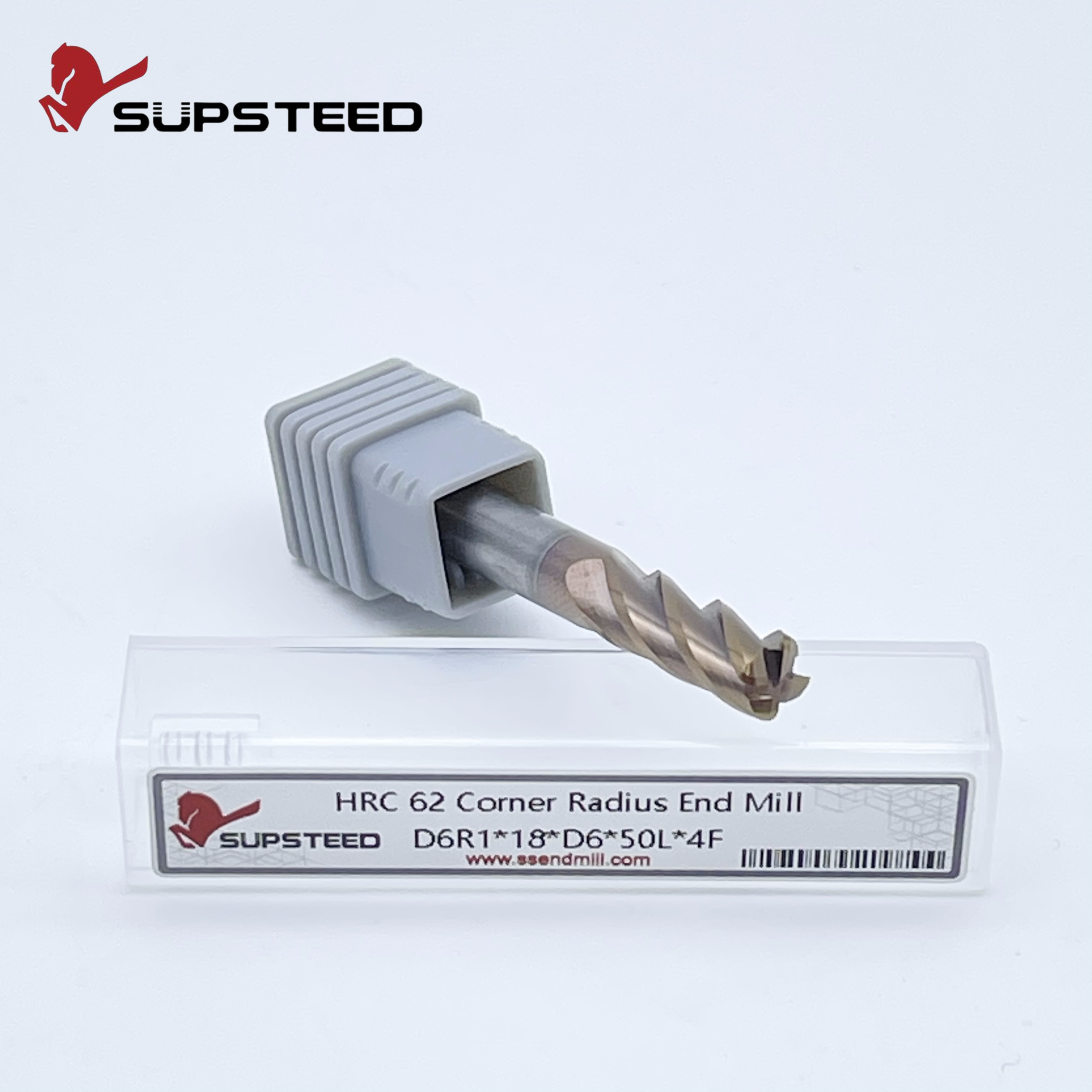
Maintaining your tools is essential to extending their lifespan and ensuring consistent performance. Regularly cleaning tools and checking for wear will prevent unexpected failures and ensure high-quality results.
Proper lubrication reduces friction and prevents tool overheating. Using the right coolant for your materials will help extend the tool's life and improve hole quality by ensuring smoother cuts.
Efficient tool management ensures you don't face unexpected tool shortages or downtimes. Keep track of your tool inventory and know when tools need replacing or reconditioning.
Common issues like rough surfaces, oversized holes, or out-of-round shapes typically stem from incorrect tool selection or improper machining parameters. To solve this, check your tool type and ensure that feed rates and speeds are correctly adjusted.
Tool wear and breakage can lead to downtime and high replacement costs. Adjust feed rates and speeds to reduce excessive wear, and invest in high-quality tools for better performance and longevity.
Chip removal can be particularly tricky when drilling deep holes. If chips are not evacuated properly, they can damage the workpiece and tool. Use peck drilling cycles and high-pressure coolant systems to keep the hole clean and tool safe.
Selecting the right holemaking tool requires understanding your project’s material, hole size, and tolerance. Regular tool maintenance and proper coolant usage help prolong tool life and maintain performance. With the right tools, your project will achieve the precision and quality needed. SUPSTEED provides high-quality holemaking tools, ensuring durability and performance to meet your machining needs efficiently.
A: Holemaking tools are devices used to create or enlarge holes in materials. They come in various types, including drills, reamers, and broaches, each suited for different tasks.
A: Consider factors like material type, hole size, depth, and tolerance requirements. The right tool will ensure precision and efficiency.
A: Carbide tools are highly durable and withstand high temperatures, making them ideal for tough materials like stainless steel.
A: Drills are used to create holes, while reamers are used for enlarging existing holes with high precision and smooth finishes.
A: Regular maintenance, proper cleaning, and correct coolant usage help extend tool life and ensure consistent performance.


