- All
- Product Name
- Product Keyword
- Product Model
- Product Summary
- Product Description
- Multi Field Search

Views: 0 Author: Site Editor Publish Time: 2026-03-26 Origin: Site

Why do small precision issues often lead to major problems in machining? The answer lies in the importance of choosing the right holemaking tools. Selecting the correct tools is critical for achieving clean, accurate, and efficient results.
In this article, we will discuss why precision matters when choosing holemaking tools and how it impacts the overall success of your projects. You’ll learn how to select tools that meet specific diameter, depth, and finish requirements, leading to improved performance and reduced material waste.
Precision in holemaking refers to the process of creating holes with exact dimensions—whether it's diameter, depth, or finish. For many industries, including aerospace, automotive, and manufacturing, holes must meet tight tolerances, as even slight deviations can cause issues such as misalignment, leakage, and part failure. Precision also extends beyond just the measurements of the hole; it includes factors like surface finish, roundness, and straightness.
● Why Precision Matters: Small errors in hole dimensions, such as a slightly oversize hole or inconsistent depth, can lead to mechanical failure, misalignment, or operational inefficiencies. For example, if a hole intended to fit a bolt is slightly too large, the bolt might not secure properly, leading to loose connections and potential part failure. In sectors like medical device manufacturing, where parts are expected to meet stringent quality standards, any deviation in holemaking could result in catastrophic failures, compromising both safety and functionality.
Several factors contribute to the precision of a holemaking operation, and understanding these factors helps in selecting the appropriate tools for different materials and tasks. These factors include tool geometry, material properties, and cutting parameters.
● Tool Geometry: The geometry of the tool—such as the shape of the tip, the flute design, and the cutting edge—is vital in determining the precision of the drilled hole. For instance, brad point drill bits are ideal for woodworking because their sharp tips prevent wandering, while split-point tips in metal drill bits ensure controlled penetration into harder materials.
● Material Properties: Different materials behave differently during the drilling process. Wood is softer and easier to cut, while metal is denser and requires more pressure and heat resistance. These material properties directly affect the type of tool needed. For harder materials, such as metals, high-performance tools made of carbide or cobalt are essential to maintain precision during high-speed drilling.
● Cutting Speed and Feed Rates: The cutting speed and feed rate at which the tool operates are crucial for maintaining precision. If the speed is too high or the feed rate is too aggressive, the tool may deflect, causing inaccuracies in the hole dimensions. Conversely, drilling too slowly can lead to tool wear and poor surface finish. Properly adjusting speed and feed rates based on the material being drilled ensures consistent, precise results.
The choice of holemaking tool is one of the most critical factors in achieving precision. The material of the tool, along with coatings and surface treatments, plays a major role in the tool’s ability to stay sharp, handle cutting forces, and maintain accuracy during prolonged use. Selecting a tool made from high-quality materials and optimized for specific tasks ensures that holes are drilled with consistent accuracy.
● Tool Material: High-speed steel (HSS), carbide, and cobalt are common materials for drill bits, with carbide being the go-to choice for high-precision tasks due to its superior hardness and wear resistance. Carbide tools maintain their sharp cutting edges longer and can withstand higher temperatures, making them ideal for tough materials like stainless steel and titanium.
● Coatings and Surface Treatments: Coatings such as TiAlN (Titanium Aluminum Nitride) are applied to improve the wear resistance, heat resistance, and friction properties of the tool. These coatings help reduce tool wear and improve cutting performance, which is crucial for maintaining precision in long-run machining.
Woodworking requires tools that can drill holes quickly and efficiently while maintaining a high level of precision. When working with wood, precision is essential to ensure that parts fit together perfectly, without any issues such as misalignment or unsightly splintering.
Drill Bit Type | Description | Best Use |
Brad Point Bits | Sharp center point and spurs on the edges for clean cuts. | Precision drilling in wood for clean edges and accurate hole placement. |
Spade Bits | Flat bits with a sharp tip. | Fast drilling of larger holes in softwood and plywood. |
Forstner Bits | Flat-bottomed bits for precise, smooth holes. | Drilling flat-bottomed holes for furniture and cabinetry. |
Tip: For clean and precise holes in woodworking, use brad point bits for small holes and Forstner bits for flat-bottomed holes.
Metalworking requires tools designed to handle tougher materials and withstand high pressures and temperatures. Metal drill bits need to maintain their sharpness and heat resistance to ensure precision over long drilling operations.
● Cobalt and Carbide Bits: Cobalt and carbide drills are ideal for metal applications. Carbide, in particular, is highly durable, making it the best option for drilling tough metals like stainless steel or titanium. These bits also retain sharpness longer and resist wear, even under extreme conditions.
● Coolant-Fed Drills: When drilling metal, especially deep holes, coolant-fed drills are essential. These tools allow for the flow of coolant directly to the cutting edge, helping to reduce friction, dissipate heat, and clear chips efficiently.
Tolerances refer to the allowable variation in hole diameter and depth. The precision of the holemaking tool directly influences the tolerance that can be achieved. For different materials, the required tolerance for drilling varies.
● Tolerances for Wood: Wood drilling typically has a broader tolerance range due to the softness and ease of cutting. While wood bits should be precise, small variances often don’t impact the final result significantly.
● Tolerances for Metal: Metal applications require much stricter tolerances, particularly in industries like aerospace or automotive. Carbide tools are often used for metalworking because they can maintain tighter tolerances and produce cleaner holes.
The geometry of a holemaking tool plays a significant role in its ability to create precise holes. Tools with aggressive cutting edges, for example, are ideal for wood, while blunt tips or conical points are preferred for drilling metal.
● Point Design: Sharp tips help ensure that the drill bit stays centered and doesn’t wander during the drilling process. Conical or split-point tips, especially in metalworking, help maintain accurate hole placement.
● Flute Design: Flute design affects chip removal. For wood, wide flutes are ideal to quickly remove large chips, while narrower flutes in metalworking tools help with heat dissipation and smaller chip removal.
As drill bits wear down, their ability to maintain precision diminishes. Over time, worn-out tools may lead to inaccuracies such as hole taper, incorrect dimensions, and poor finishes.
● Tool Wear and Accuracy: Dull tools can cause problems like irregular edges and hole misalignment. It's important to replace worn tools to maintain high precision.
● Maintaining Tool Sharpness: Regularly sharpen tools and replace them when they show signs of wear to avoid compromising hole quality.
Correctly adjusting the speed and feed rates is vital for ensuring precision and tool longevity. Drilling too fast can cause overheating and tool deflection, while drilling too slowly can result in excessive wear and reduced productivity.
● Speed Adjustments: Metal drilling requires slower speeds to control heat and prevent tool wear, while wood drilling allows for faster speeds due to the material’s softness.
● Material-Specific Adjustments: Different materials require different speeds and feed rates. It's essential to follow the recommended guidelines for each material to maintain precision and avoid damage to the tool.
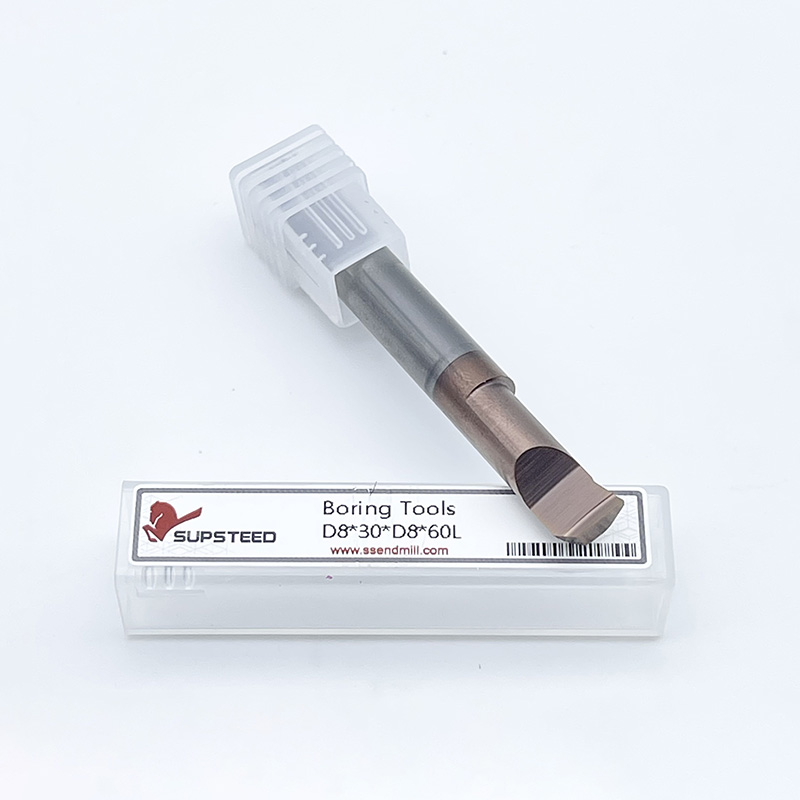
Some industries demand extremely high precision for their drilled holes, as even a small deviation could result in part failure or misalignment.
● Medical Device Manufacturing: In the medical industry, holes need to be drilled with extreme precision, often within a fraction of a millimeter. Carbide drill bits are the best choice for achieving this level of accuracy.
● Aerospace: Aerospace components require tight tolerances and high-quality hole finishes. Carbide drills, paired with coolant-fed tools, ensure the precision and heat resistance needed for such applications.
Tip: Use carbide drills for high-precision applications, particularly in industries that demand tight tolerances and exact hole placements.
In metalworking, the role of coolant cannot be underestimated. Coolant-fed drills help maintain the tool’s temperature and prevent overheating, which is crucial for maintaining precision and extending tool life.
● Coolant-Fed Drills: These tools allow for coolant to be fed directly to the cutting edge, ensuring optimal heat management and chip removal.
● Chip Removal and Heat Control: The correct use of coolant helps ensure smooth chip evacuation and prevents material deformation during drilling, preserving hole quality.
Maintaining holemaking tools is essential to ensuring they continue to produce precise, accurate holes. Regular inspections and maintenance will help extend tool life and improve drilling performance.
● Why Regular Checks are Important: Frequent checks help identify wear or damage before it affects hole quality.
● Signs of Wear: Over time, tools lose sharpness, which can cause inaccuracies. Monitor your tools for signs of wear and replace them when necessary.
Using the right drilling techniques can significantly improve holemaking accuracy. Pre-drilling and spotting help create more accurate holes, while adjusting feed rates and speeds can improve hole consistency.
● Pre-drilling and Spotting: Accurate pilot holes and spotting ensure that subsequent drilling operations are aligned and consistent.
● Correcting Defects: If defects such as burrs or misalignment occur, adjusting the drilling technique can help resolve these issues and maintain hole quality.
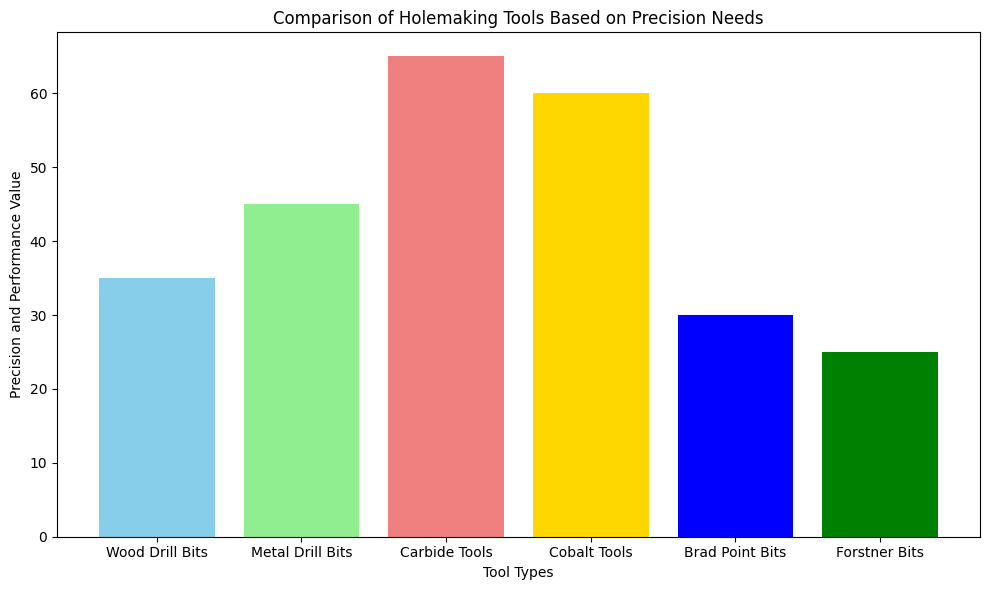
In woodworking, precision is crucial for ensuring that parts fit together properly and that the final product meets design specifications. For example, when drilling holes for dowels or hardware, even the smallest deviation can affect the overall fit.
Metalworking requires higher precision due to the tight tolerances and finishes required in industries like aerospace, automotive, and heavy machinery. Carbide drills are ideal for achieving the necessary accuracy and quality when working with tough materials like steel and titanium.
Precision is a critical factor when selecting holemaking tools. Whether you’re working with wood or metal, choosing the right tool based on the material’s properties and the required tolerances ensures high-quality results. Tools such as brad point bits for wood and carbide drills for metal provide the accuracy and reliability needed for precise holemaking. Regular tool maintenance, correct speed and feed rates, and the use of advanced tools like coolant-fed drills all contribute to achieving the precision necessary for successful projects. SUPSTEED offers high-performance holemaking tools that ensure precision and durability, helping you achieve the best results across various applications.
A: Precision ensures that holes meet the required dimensions, avoiding issues like misalignment, part failure, and the need for costly rework. Accurate holemaking tools are crucial for ensuring quality in every project.
A: Choosing the right holemaking tools based on material properties and precision requirements ensures high-quality, efficient results. The correct tool minimizes wear and extends the lifespan of both the tool and the material.
A: Brad point bits and Forstner bits are best for wood. These tools provide clean, precise holes and are specifically designed to minimize splintering and ensure accurate placement.
A: In metalworking, carbide or cobalt drill bits are essential for precision. These tools withstand heat and wear, ensuring accurate, clean holes in tough metals like stainless steel and titanium.
A: High-precision holemaking tools, such as carbide drills, ensure that your holes meet tight tolerances, reduce rework, and improve the overall quality and efficiency of your projects.


