- All
- Product Name
- Product Keyword
- Product Model
- Product Summary
- Product Description
- Multi Field Search

Views: 0 Author: Site Editor Publish Time: 2026-01-30 Origin: Site
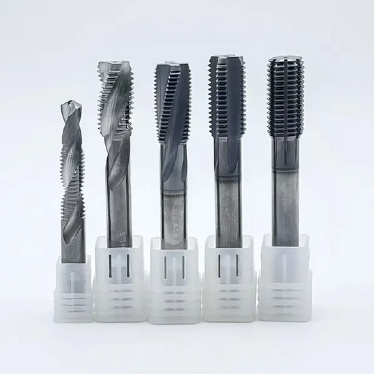
Choose the right holemaking tool for your project to ensure clean and accurate results.
Drill bits are versatile and essential for most holemaking tasks; always match them to the material.
Use center drills for precise hole placement in metal to avoid errors and ensure straight holes.
Reamers and boring tools improve hole accuracy and finish, making them ideal for tight fits.
Safety is crucial; lubricate tools, drill slowly, and keep your workspace organized to prevent injuries.
You will find many types of holemaking tools for different tasks. Each tool helps you make holes in a specific way or for a special purpose. Let’s look at the most common types of holemaking tools you might use at home or in a workshop.
Drill bits are the most popular tools for making holes. You use them with drills to cut through wood, metal, or plastic. Drill bits come in many shapes and sizes. Some are made from high-speed steel or solid carbide, which makes them strong and long-lasting. You can use drill bits to make different types of holes, such as through holes or blind holes. Drills work with machines like hand drills or even CNC machines for more advanced projects. You will use drill bits for most holemaking jobs because they are versatile and easy to find.
Tip: Always match your drill bit to the material you are working with for the best results.
Center drills help you start holes in metal with high accuracy. You use them to mark the exact spot where you want to drill. This step reduces errors and keeps your holes straight. In metalworking, center drilling on both ends of a workpiece creates a center line. This line helps you keep your work centered during later steps. If you skip this step, you might end up with holes that are off-center.
Reamers finish holes to a precise size. You use a reamer after drilling to make the hole smoother and more accurate. Reamers remove only a small amount of material, but they give you a better surface finish than standard drill bits. If you need a hole with a perfect fit, such as for a dowel or a pin, a reamer is the right tool.
Countersinks create a cone-shaped opening at the top of a hole. You use them when you want screws or bolts to sit flush with the surface. This is important in furniture, cabinetry, or electronics, where a smooth finish matters. Countersinks also help reduce stress around the hole, which is useful for brittle materials like plastic.
Hole saws cut large, round holes in materials like wood, plastic, or even thin metal. They look like a metal cylinder with sharp teeth. You use a hole saw when you need to make a big opening, such as for a doorknob or a pipe. Some hole saws, like bi-metal types, can cut through both soft and hard materials.
Holemaking Tool | Associated Material |
|---|---|
Drill Bits | High-speed steel (HSS), solid carbide, various materials |
Bi-Metal Holesaw | Plywood, plaster, steel, aluminum |
Punches make holes by applying direct force. You use a punch with a hammer to create holes in soft materials like plastic, vinyl, or thin metal. Punches do not spin like drills. They stay cool and leave a clean, burnished edge around the hole. This makes them a good choice when you want a neat finish and less waste.
Note: Punches are great for crafts or when you need to make many small holes quickly.
You will use these types of holemaking tools for many projects. Each tool works best for certain materials and tasks. By understanding the strengths of each, you can choose the right tool for your next job.
You use drills to create holes in many materials. These tools work well for wood, metal, and plastic. In construction, you often need to make precise holes for fasteners or anchors. Electricians use drills to create holes for wiring and fixtures. In automotive repair, you drill holes for mounting parts or running cables. DIY projects at home also require you to create holes for shelves, hooks, or decorations.
Construction: You create holes in wood, metal, or drywall for building and repairs.
Electrical work: You drill holes for running wires and installing outlets.
Automotive repair: You create holes for attaching components or making repairs.
DIY projects: You use drills for home improvement, crafts, and assembling furniture.
Drills help you work faster and more accurately. You can choose different drill bits to match the material and the size of the hole you need.
Sometimes, you need to enlarge and finish holes after drilling. Reamers and boring tools help you achieve a smooth and accurate finish. You use these tools when you want a precise fit, such as for dowels or metal pins. Reaming removes a small amount of material to improve the surface and size of the hole. Boring lets you enlarge holes to a specific diameter or depth. Trepanning helps you create large holes by cutting out a disc and leaving a clean edge.
Technique | Description |
|---|---|
Reaming | You use a reamer to improve the accuracy and surface finish of pre-drilled holes. |
Boring | You use boring tools to enlarge holes to greater diameters and depths. |
Trepanning | You cut out a disc of material to create a hole, leaving a solid core. |
You use these methods for both metal and wood. In industrial settings, machinists rely on these tools for engine parts or machinery. At home, you might use a reamer to make a wooden dowel fit perfectly.
Countersinks help you create tapered openings at the top of holes. You use them when you want screws or bolts to sit flush with the surface. This is important in furniture making, cabinetry, and electronics. Countersinks work well with wood, plastic, and soft metals. You can also use them to reduce stress around the hole, which helps prevent cracking in brittle materials.
When you want a smooth, finished look, you should use a countersink. For example, when you install a hinge on a door, you create holes with a countersink so the screws do not stick out.
Hole saws allow you to cut large, round holes in wood, plastic, or thin metal. You use them for projects like installing doorknobs, making openings for pipes, or adding vents. Hole saws offer several advantages:
Clean, precise, and smooth holes for a professional look.
Efficient for larger diameters compared to twist drill bits or spade bits.
Less material removal, which reduces strain on your drill.
Faster cutting for big holes.
Available in many sizes for different needs.
Reduced tear-out, especially when you drill from both sides.
Suitable for many types of wood.
You should choose a hole saw when you need to create holes larger than what standard drill bits can handle.
Punches help you create holes in soft materials like plastic, vinyl, or thin metal sheets. You use a punch with a hammer to make quick, clean holes. Punches work best for low-volume jobs, prototyping, or crafts. They are inexpensive and easy to use for thin sheets under 3 mm. You can use them on-site for light-duty tasks or in high-volume sheet metal work with automated machines.
Scenario | Pros | Cons |
|---|---|---|
Low-volume jobs or prototyping | Clean holes quickly and efficiently | Less effective for thicker or harder materials |
Thin sheets (under 3 mm) | Inexpensive and widely available | Requires significant operator force |
On-site or light-duty punching | Fast for small holes without burrs | Limited to soft or thin metals |
High-volume sheet metal work | Fast, accurate, and automated | Higher initial cost |
Punches do not spin or generate heat, so you get a neat edge with less waste. You should avoid punches for thick or hard materials, as they require more force and may not work as well.
By understanding how to use holemaking tools, you can create holes for many tasks at home or in the workshop. Each tool has a special purpose, and choosing the right one helps you work safely and efficiently.
Selecting the right holemaking tool for your project helps you achieve high precision and a smooth finish. You need to consider several factors before you start making holes. Let’s break down what you should look for.
You must match your holemaking tools to the material you plan to work with. Different materials require different tool features for best results. For example, when drilling into wood, you can use standard drills, but metal often needs specialized drill bits or reamers. Harder materials like steel increase cutting resistance, which can wear out your tools quickly. You should choose tools that withstand these conditions and adjust your drilling speed and feed rates.
Factor | Description |
|---|---|
Point Angles | Choose the right angle for optimal penetration in each material. |
Helix Angles | Higher angles work better for soft materials, improving chip removal. |
Flute Design | Spiral flutes help control chips and boost cutting efficiency. |
Shank Types | Select the best shank for secure tool holding. |
Coatings | Use coatings to extend tool life, especially for tough jobs. |
Tip: Always check the hardness and thickness of your material before selecting the right holemaking tool.
You need to decide on the specific diameter and depth for your holes. The shape also matters. For example, slotted holes allow for adjustable fasteners, while oval holes help with minor misalignments. Keyways prevent spinning parts from slipping. Always match the hole type to your application to avoid misalignment or failure.
Hole Type | Description | Applications |
|---|---|---|
Slotted Holes | Elongated for adjustable fasteners | Machinery mounting |
Keyways and Keyseat Holes | Grooves for power transmission | Equipment shafts |
Oval Holes | Elongated for misalignment | Adjustable mountings |
Consider the purpose of the hole.
Assess the required size and geometry.
Identify the work material.
Choose the correct power source.
High precision is essential for many projects. If you need tight tolerances or a smooth surface, you should use reamers or boring tools after drilling. Drills create holes quickly, but boring and reaming improve accuracy and finish.
Tool Type | Tolerances (mm) | Surface Finish (Ra μm) |
|---|---|---|
Drilling | ±0.1–0.3 | 3.2–6.3 |
Boring | ±0.02–0.05 | 1.6–3.2 |
Use drilling for general holes.
Apply boring for high precision and improved geometry.
Reserve finishing for functional or fit requirements.
Safety should always come first when using holemaking tools. You can prevent injuries and improve your results by following these guidelines:
Lubricate your drill bits to reduce heat and extend tool life.
Drill slowly to minimize friction and avoid burning.
Back off the drill bit periodically to let heat dissipate.
Inspect and sharpen your drill bits regularly.
Mark your drilling spot with a center punch to guide the drill.
Use a backing material to prevent chipping on the underside.
Handle materials carefully to avoid cuts and abrasions.
Note: Most injuries happen from improper material handling or using dull tools. Stay alert and keep your workspace organized.
By considering these factors, you can make better choices when selecting the right holemaking tool for your project. This helps you achieve high precision, a clean finish, and safer results.
You often use holemaking tools during common home repairs. When you need to hang shelves, install curtain rods, or fix door hardware, you must create accurate holes. The right tool helps you get a clean result and makes your work easier. Here is a table showing typical tasks and the tools you might use:
Holemaking Task | Tool Used | Description |
|---|---|---|
Drilling | Drilling Machine | You create holes in wood, metal, or plastic for fasteners or anchors. |
Countersinking | Countersink Drill | You make a tapered opening so screws sit flush with the surface. |
Tapping | Tap | You cut threads inside a drilled hole for bolts or screws. |
Boring | Boring Tool | You enlarge existing holes for a better fit or more accuracy. |
Counterboring | Counterbore Drill | You step the hole diameter to fit special fasteners with shoulders. |
Tip: Always check the material before you start. This helps you choose the best tool for the job.
When you work on DIY projects, you often need to make holes for assembling furniture, building planters, or creating custom storage. Your choice of holemaking tools depends on your project’s needs and your budget. Here are some things to consider:
For projects you repeat often, use replaceable insert drills. These save money over time.
For small or custom projects, solid drills work well. They cost less up front and suit short runs.
The right tool helps you finish faster and keeps costs down.
You can use drills for most DIY tasks. If you want a smooth finish or a precise fit, try a reamer or a countersink. Always match the tool to your material and the size of the holes you need.
Many crafts and hobbies require you to make small, neat holes. For example, if you crochet around fleece fabric, you use a Skip Stitch Blade to create tiny holes along the edge. This makes it easy to add decorative stitches. Other hobbies, like leatherworking or model building, also use punches or small drills to make clean holes.
Crocheting around fleece: Use a Skip Stitch Blade for even holes.
Leather crafts: Use punches for neat holes in belts or bags.
Model building: Use small drills for precise holes in plastic or wood parts.
Note: Start with a practice piece if you are new to using holemaking tools in crafts. This helps you avoid mistakes and get the best results.
You can see that holemaking tools help you with many everyday tasks. Whether you repair something at home, build a project, or enjoy a hobby, the right tool makes it easier to create clean, accurate holes.
You improve your results and safety when you understand how to use different holemaking tools. Choosing the right tool for your material and project helps you make clean holes and avoid mistakes. Using drills with proper chip removal methods leads to better quality and protects you from harm.
Evidence Description | Impact on Quality and Safety |
|---|---|
Continuous chip streaming triggers tool wear | Detrimental to tool life and worker safety |
Accumulation of unbroken chips affects surface finish and accuracy | Compromises quality and safety of the machining process |
Use of chip breaker improves chip evacuation and tool life | Enhances overall project quality and operator safety |
Before you start, think about your needs and select the best tool. When you use the right holemaking tools, you make every project easier and safer. Try these tips on your next project and see the difference.
You use holemaking tools to create, enlarge, or finish holes in materials like wood, metal, or plastic. These tools help you complete tasks such as installing shelves, assembling furniture, or making crafts.
Center Drills help you start holes with accuracy. You use them to mark the drilling spot and prevent your drill bit from wandering. Regular drill bits cut the main hole after you use Center Drills.
You use Reamers or BoringTools when you need a smooth, precise hole. These tools help you finish or enlarge holes after drilling. They work best for tight fits, like dowels or pins.
Pilot Drills create a small guide hole before you use a larger drill bit. This step helps you drill straight and prevents the main bit from slipping. You get cleaner, more accurate holes.
Yes, you use Thread End Mills to cut threads inside a pre-drilled hole. These tools let you create internal threads for screws or bolts, especially in metalworking projects.


