- All
- Product Name
- Product Keyword
- Product Model
- Product Summary
- Product Description
- Multi Field Search

Views: 0 Author: Site Editor Publish Time: 2026-02-02 Origin: Site
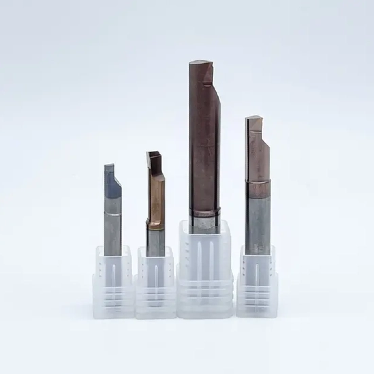
Choose the right holemaking tool based on the material you are working with for optimal results.
Twist drill bits are versatile and essential for many tasks, providing clean holes and efficient chip removal.
BTA drills excel in deep holemaking, offering precision and speed for demanding applications in industries like aerospace.
Solid carbide drill bits are ideal for tough materials, providing durability and longer tool life for high-speed drilling.
Regular maintenance of your tools, including cleaning and proper storage, extends their lifespan and ensures consistent performance.
Twist drill bits stand out because of their unique geometry. You will notice the spiral flutes that run along the length of each bit. These flutes play a key role in removing chips from the hole and managing heat during drilling. The two opposing spiral chip flutes help clear material quickly and allow coolant to reach the cutting edge. This design makes twist drill bits more efficient than many other holemaking tools of similar size. The width of the flute profile also affects chip clearance. If chips do not clear well, the bit can overheat and wear out faster.
You can choose from several materials for twist drill bits. Each material offers different benefits for professional use:
Material Type | Characteristics |
|---|---|
High-Speed Steel (HSS) | Good toughness and wear resistance for general use. |
Cobalt | Handles higher heat, ideal for tough materials. |
Carbide | Very hard and wear-resistant, best for high performance. |
Titanium Coating | Increases durability and reduces friction. |
Black Oxide Coating | Resists corrosion and extends tool life. |
You will use twist drill bits for a wide range of tasks. These bits work well for creating blind holes and starter holes for tapping. You can find them in precise fractional sizes, which helps when you need accuracy. Twist drill bits are common in metalworking, woodworking, and plastic fabrication. Many professionals use them to start holes for other tools, such as reamers or thread end mills.
Tip: Always match the bit material to the workpiece for better results and longer tool life.
Twist drill bits are essential for any toolkit. They offer versatility and efficiency for many drilling jobs. You can rely on them for fast material removal and clean holes. Their design helps prevent overheating and tool failure. When you need reliable holemaking tools, twist drill bits should be your first choice. You will find that they support many other tools, such as center drills and pilot drills, by creating accurate starter holes. This makes them a foundation for precise and professional work.
You will find BTA drills essential for deep holemaking tasks. These tools use a single tube system that pumps a large volume of coolant directly to the cutting area. This high-pressure coolant keeps the drill cool and flushes chips away from the workpiece. The chips travel through the inside of the drill tube, which prevents them from scratching the hole surface. You can choose modular designs that let you change heads quickly, reducing downtime. CNC control allows you to create complex geometries with high accuracy.
Here is a comparison of BTA drilling and conventional drilling:
Feature/Advantage | BTA Drilling | Conventional Drilling |
|---|---|---|
Chip Removal | High-pressure, internal evacuation | External evacuation |
Heat Reduction | Excellent cooling | Less efficient |
Tool Design | Modular, quick change | Fixed, longer changeover |
Accuracy | CNC-controlled, precise | Manual or less precise |
Ideal Hole Diameter | 25–120 mm | 1–30 mm |
Depth Capability | Up to 1,500 mm | Limited |
Applications | Aerospace, automotive, oilfield equipment | Medical, small precision parts |
You will use BTA drills when you need to create long, straight holes with large diameters. These tools work best for deep hole drilling in industries like aerospace, automotive, and oilfield equipment. You can drill holes from 12 mm up to 250 mm in diameter and reach depths up to 1,500 mm. The high-pressure coolant system makes the process efficient and keeps the surface finish smooth. You can also use BTA drills for hard super-alloys and exotic materials, where accuracy and productivity matter most.
Tip: Use BTA drills for deep holes in tough materials to get a clean finish and reduce tool wear.
You need BTA drills for advanced holemaking jobs that require depth, precision, and speed. These tools help you avoid problems like overheating and poor chip removal. You can rely on them for consistent results in demanding environments. BTA drills support your work when other tools, such as twist drill bits or reamers, cannot reach the required depth or diameter. When you want to improve efficiency and quality in deep holemaking, BTA drills are a must-have in your professional toolkit.
You will find Pegasus drills unique because of their advanced geometry and specialized coatings. These drills often use a split-point tip, which helps you start holes with less wandering. The flute design improves chip evacuation, so you get cleaner holes and less heat buildup. Many Pegasus drills use high-performance materials like carbide or cobalt. Some models include a multi-layer coating that increases tool life and reduces friction. You can select from a range of sizes, which makes these drills suitable for many applications.
Note: Pegasus drills often come with laser-etched size markings. This feature helps you quickly identify the right tool for your job.
You can use Pegasus drills for high-precision work in metalworking, aerospace, and automotive industries. These drills perform well when you need to create accurate holes in tough materials like stainless steel or titanium. You will also find them useful for drilling composite materials, where standard bits might fail. Pegasus drills work well for both manual and CNC machines. You can rely on them for tasks that require tight tolerances and a smooth finish.
Use Pegasus drills for:
Creating starter holes for tapping
Making holes for fasteners in structural components
Producing clean holes in layered materials
Pegasus drills play a key role in your professional toolkit. You need these drills when accuracy and durability matter most. They help you reduce tool changes and downtime, which increases your productivity. You can trust Pegasus drills to deliver consistent results, even in demanding environments. Their advanced features make them a smart choice for anyone who values quality and efficiency in holemaking.
Tip: Always check the manufacturer’s recommendations for speed and feed rates. This practice will help you get the best performance from your Pegasus drills.
You will notice that tapered drills have a unique shape. The diameter increases from the tip to the shank. This design helps you create holes that match the shape of tapered fasteners or pins. Many tapered drills use high-speed steel or carbide for strength and durability. Some models feature parabolic flutes, which improve chip removal and reduce friction. You can find these drills with different point angles to suit various materials. The construction of tapered drills reduces vibration and boosts cutting efficiency. This means you get smoother operation and less wear on your tools.
Tip: Choose a tapered drill with a coating like titanium nitride if you want longer tool life and less heat buildup.
You will use tapered drills when you need to make tapered holes for screws, dowels, or pins. These drills work well in woodworking, metalworking, and even plastic fabrication. You can use them to prepare holes for tapered fasteners in furniture making or to create starter holes for reamers and other finishing tools. In metalworking, tapered drills help you achieve precise alignment for assembly parts. You can also use them to enlarge existing holes with a gradual taper, which reduces the risk of cracking or splitting the material.
Common applications include:
Creating pilot holes for tapered screws
Preparing holes for dowel pins in joinery
Making starter holes for reamers in metal parts
You need tapered drills for high-quality results in both woodworking and metalworking. The special flute design improves chip removal and keeps the drill cool. This leads to cleaner, more accurate holes. You will see less friction and heat, which protects your workpiece and extends tool life. Tapered drills reduce vibration, so you get better control and smoother finishes. When you want to boost the quality of your holemaking tools collection, adding tapered drills is a smart move.
You will notice that solid carbide drill bits stand out for their strength and durability. Manufacturers use a single piece of carbide to make these bits, which gives them exceptional hardness. This hardness lets you cut through tough materials like stainless steel, cast iron, and ceramics with ease. The bits resist heat, so you can use them in high-speed machining without losing accuracy. You will also find that these drill bits last longer than standard options, which means fewer replacements and less downtime.
Key performance benefits include:
Exceptional hardness for cutting tough materials
Excellent heat resistance for high-speed drilling
Long lifespan, reducing the need for frequent replacements
You should choose solid carbide drill bits when you need to work with hard or abrasive materials. These bits perform best in demanding jobs where other drill bits might fail. You can use them for drilling stainless steel, titanium, tool steel, hardened steels, and nickel alloys. The sharp cutting edge stays intact longer, so you get clean, precise holes every time. Solid carbide drill bits also work much faster than high-speed steel bits, which helps you finish projects quickly.
Material Type | Suitability for Solid Carbide Drill Bits |
|---|---|
Stainless Steel | Excellent |
Titanium | Excellent |
Tool Steel | Excellent |
Hardened Steels | Excellent |
Nickel Alloys | Excellent |
Tip: Use solid carbide drill bits for jobs that require speed and accuracy in tough materials.
You need solid carbide drill bits in your toolkit if you want reliable results in professional settings. These bits help you tackle challenging materials without worrying about tool failure. You save time and money because the bits last longer and keep their sharpness. When you use the right drill, you improve the quality of your work and reduce the risk of mistakes. Solid carbide drill bits give you the confidence to take on any drilling task, no matter how tough the material.
You will find that drill and end mills combine the best qualities of both drilling and milling tools. These tools have cutting edges on the tip and along the sides. This design lets you perform several machining operations with one tool. You can plunge straight down like a drill or move sideways to mill slots and contours. The fluted design helps remove chips quickly, which keeps your work area clean and reduces heat buildup. Many drill and end mills use advanced materials and coatings, so you get longer tool life and better performance.
Drill and end mills perform both drilling and milling operations.
Cutting edges on the top and sides allow for plunging, ramping, and slotting.
You can use them for complex shapes and tight tolerances.
These tools often feature coatings that reduce friction and wear.
You will use drill and end mills in many industries, especially when you need to save time and increase efficiency. These tools work well for drilling holes, milling profiles, and creating slots in a single setup. You can use them for counterboring and countersinking, which helps you prepare holes for fasteners. Drill and end mills are popular in aerospace and automotive manufacturing because they handle complex parts and tight spaces. They also work well for prototyping and small production runs.
Tool Type | Applications | Features |
|---|---|---|
Drill Mills | Drilling, profiling, slotting, contouring, counterboring | Combines drilling and milling; fluted for chip evacuation |
High-Performance Endmills | Aerospace, medical, high-precision tasks | Advanced materials, special coatings, increased rigidity |
Tip: Use drill and end mills when you want to reduce tool changes and improve accuracy in your machining projects.
You need drill and end mills in your toolkit if you want to boost productivity and achieve precise results. These tools let you complete multiple operations without switching tools, which saves time and reduces errors. You can rely on them for both simple and complex machining tasks. Their versatility makes them essential for professionals who work with a variety of materials and part designs. When you choose the right drill and end mill, you improve your workflow and get better results on every project.
You will find that hole saws stand out among holemaking tools because they create large, clean holes with smooth edges. Their design allows you to cut only the outer edge of the hole, leaving the center as a plug. This method makes the process faster and reduces the strain on your drill. Hole saws come in many diameters, so you can choose the right size for your project. You will notice that they work well for both wood and metal. Some models use tungsten carbide tips, which help you cut through tough materials like stainless steel and reinforced fabrics.
Create clean, circular holes with smooth edges
Remove less material, making drilling faster and easier
Available in a wide range of sizes for different needs
Reduce tear-out, especially when you drill from both sides
Work well with various wood types and metals
You can use hole saws for many professional tasks. They are perfect when you need to make large holes for pipes, wiring, or fixtures. You will often use them in carpentry, plumbing, and electrical work. Hole saws work well on sheet metals, stainless steel, and non-ferrous metals. For harder materials, you should choose a carbide-tipped hole saw. The table below shows which type to use for different materials:
Material Type | Recommended Hole Saw Type |
|---|---|
Stainless and high alloy steels | Tungsten Carbide Tipped Hole Saw |
Non-ferrous light metals | Tungsten Carbide Tipped Hole Saw |
Reinforced fabrics | Tungsten Carbide Tipped Hole Saw |
Sheet metals | Carbide-tipped hole cutters |
Tip: Always use the correct drill speed and apply steady pressure to get the best results with your hole saw.
Hole saws are essential holemaking tools for any professional who needs to cut large holes quickly and cleanly. You save time because you do not need to remove as much material as with a standard drill bit. The smooth finish means you spend less time sanding or cleaning up the hole. You can rely on hole saws for efficiency and precision, especially when working with tough materials. When you add hole saws to your toolkit, you increase your ability to handle a wider range of projects with confidence.
You will find nibbler tools very useful when you need to make precise holes in sheet metal. These tools have a compact design, usually around 7.2 inches long, which makes them easy to handle in tight spaces. Nibblers can cut straight lines, curves, or even irregular shapes. This flexibility helps you create custom holes that standard drill bits cannot achieve. You can use a nibbler on 18-gauge soft steel, as well as 1/16-inch copper, aluminum, and plastic. To start a cut in the center of a workpiece, you only need to drill a 3/8-inch hole. This starting point lets you insert the nibbler and begin shaping the hole as needed.
Feature | Details |
|---|---|
Application | 18AWG soft steel; 1/16'' copper, AI, and plastic |
Cutting Capability | Cut straight, curved, or irregular shapes |
Starting Hole | Begin with a 3/8" (9.5mm) drilled hole |
Tool Length | 7.2 in. |
Tip: Always wear safety glasses when you use a nibbler. Small metal pieces can fly off during cutting.
You can use nibbler tools for many professional tasks. They work best for making holes in sheet metal panels, electrical boxes, and ductwork. When you need to create a custom opening for wiring or piping, a nibbler gives you more control than a standard drill. You can also use a nibbler to enlarge existing holes or cut out complex patterns. Many professionals use a drill to make the starter hole, then switch to the nibbler for the main cut. This method saves time and reduces the risk of damaging the workpiece.
Cut access holes in automotive panels
Shape openings in HVAC ductwork
Modify electrical enclosures for new components
You need nibbler tools in your holemaking toolkit if you want clean, accurate results in sheet metal. These tools let you go beyond the limits of a regular drill. You can create shapes that match your project’s needs. Nibblers help you avoid jagged edges and reduce the need for extra finishing. When you combine a drill and a nibbler, you get the best of both worlds—speed and precision. This combination makes your work look professional and keeps your projects on schedule.
You will notice that annular cutters have a hollow, cylindrical shape. This design allows you to remove only the outer edge of the hole, leaving the core intact. You get faster drilling because the tool cuts less material. Annular cutters often use high-speed steel or carbide, which gives you long tool life and sharp cutting edges. Many models include pilot pins that help you start the hole accurately and eject the slug after drilling. You can use these cutters with magnetic drill presses or stationary machines. The tool produces less heat and friction, which protects both the cutter and your workpiece.
Here is a table that shows how annular cutters compare to twist drill bits for large diameter holes:
Advantage | Description |
|---|---|
Faster Drilling | Cuts only the perimeter, so less material is removed. |
Clean Holes | Produces burr-free holes with tight tolerances. |
Reduced Heat & Friction | Protects both tool and workpiece. |
Versatility | Works on mild steel, stainless steel, aluminum, and more. |
You will use annular cutters when you need to make large, precise holes in metal. These tools work best for drilling through thick steel plates, beams, and structural components. You can create holes with smooth edges and tight tolerances, which reduces the need for extra finishing. Annular cutters are ideal for repetitive drilling tasks because they save time and effort. You can use them in many industries, such as:
Manufacturing
Construction
Oil & Gas Industry
Shipbuilding
Railway
Automotive
Metal Fabrication
Infrastructure & Utilities
Tip: Always use the correct pilot pin and keep your cutter sharp. This practice ensures accurate holes and extends tool life.
You need annular cutters in your professional toolkit if you want efficient and accurate holemaking. These tools help you drill faster and produce cleaner holes than standard bits. You reduce heat buildup, which protects your equipment and workpieces. Annular cutters give you the flexibility to work with different metals and thicknesses. When you choose the right cutter, you improve productivity and achieve high-quality results on every project. You will find that annular cutters are essential for anyone who needs reliable performance in demanding drilling applications.
You will discover that advanced holemaking tools push the boundaries of performance and precision. These tools include YG-1 Dream Drill Pro, center drill bits, spot drill bits, tap drill bits, auger drill bits, and masonry drill bits. Each tool uses innovative designs and materials to improve insert drill performance. For example, YG-1 Dream Drill Pro uses micrograin carbide material and Z-Coating technology. This combination gives you high hardness and heat resistance, which maintains performance longer. The wave-shaped cutting edge reduces cutting forces, and the self-centering 140° point lowers torque. You will find insert drill bits with optimized chip evacuation, which prevents tool breakage and boosts reliability.
Leading brands such as Sandvik AB and Kennametal Inc. invest in advanced coatings, substrate technologies, and eco-friendly manufacturing. The table below shows some of their latest innovations:
Company | Innovations |
|---|---|
Sandvik AB | Advanced coatings, substrate technologies, Industry 4.0 integration, precision, sustainability |
Kennametal Inc. | Wear-resistant carbide materials, high-performance coatings, eco-friendly manufacturing processes |
You can use advanced holemaking tools for precision machining performance in many industries. Insert drill bits work well for high-speed drilling in cast irons, steels, and alloys. Center drill bits help you start holes accurately for reamers and thread end mills. Spot drill bits create starter holes for pilot drills. Tap drill bits prepare holes for threading operations. Auger drill bits excel in woodworking and construction. Masonry drill bits allow you to drill into concrete and stone. You will see these tools used in aerospace, automotive, and manufacturing for demanding applications.
YG-1 Dream Drill Pro increases machining efficiency and reduces cycle time.
Center drills and pilot drills improve alignment for boringtools and reamers.
Tap drill bits and thread end mills support threading and finishing tasks.
You need advanced holemaking tools to achieve top performance and long tool life. These tools help you maximize productivity and minimize downtime. Insert drill bits and related tools deliver reliable results in precision machining performance. You will notice improved chip evacuation, cleaner holes, and reduced tool changes. Leading brands like Sandvik AB and Kennametal Inc. set the standard for innovation. When you upgrade your toolkit with advanced holemaking tools, you gain an edge in quality and efficiency. You can handle complex projects with confidence and meet the highest industry standards.
Steve Pilger, Product Manager, says, "The main advantage of this new DREAM DRILLS PRO line is high cutting speeds with longer tool life."
Customers use these insert drill bits to process high-quality parts at high production rates.
You need to understand the different applications for each holemaking tool to choose the right one for your project. Each tool works best in specific situations. For example, you use a twist drill for general drilling tasks in metal, wood, or plastic. BTA drills work well for deep holes in aerospace and automotive applications. Pegasus drills help you create precise holes in tough materials. Tapered drills are great for making holes for pins or screws in woodworking and metalworking. Solid carbide drill bits handle hard materials and high-speed applications. Drill and end mills let you perform both drilling and milling in one setup, which is useful for complex parts. Hole saws cut large holes for pipes or wiring. Nibbler tools shape custom holes in sheet metal. Annular cutters make large, clean holes in thick steel. Advanced tools like center drills, spot drills, and tap drill bits support specialized applications such as starting holes, threading, or working with masonry.
Here is a table that summarizes the main applications for each tool:
Tool | Main Applications |
|---|---|
Twist Drill | General drilling, starter holes, pilot holes |
BTA Drill | Deep holes, aerospace, automotive |
Pegasus Drill | Precision holes, tough materials |
Tapered Drill | Holes for pins, screws, woodworking |
Solid Carbide Drill | Hard materials, high-speed drilling |
Drill and End Mill | Drilling and milling, complex parts |
Hole Saw | Large holes, pipes, wiring |
Nibbler Tool | Custom holes, sheet metal shaping |
Annular Cutter | Large, clean holes in thick steel |
Advanced Tools | Spotting, threading, masonry, specialized tasks |
Tip: Match the tool to your application for the best results and longer tool life.
You gain many advantages by selecting the right holemaking tool for your applications. Twist drills offer rapid drilling and low cost. BTA drills provide straight, deep holes with excellent chip removal. Pegasus drills give you accuracy and durability. Tapered drills reduce vibration and improve fit for fasteners. Solid carbide drill bits last longer and cut hard materials with ease. Drill and end mills save time by combining operations. Hole saws remove less material, making large holes quickly. Nibbler tools let you cut custom shapes with clean edges. Annular cutters produce burr-free holes and work fast on thick steel. Advanced tools like center drills and tap drill bits improve alignment and threading quality.
The table below compares the advantages and disadvantages of boring, reaming, and drilling:
Tool | Advantages | Disadvantages |
|---|---|---|
Boring | Aligns and makes concentric, Precision size control, Improves roundness, Large diameter, Blind and through holes | Cannot make a hole by using a solid, Slower than drilling, High risk of tool chatter, Requires skilled setup, Increased tooling cost |
Reaming | Very tight tolerances, Excellent surface finish, Quick cycle for light stock removal, Good tool life, Predictable | Cannot produce holes accurately, Stock allowance may be needed, Risk of burning, Not good for interrupted cuts, Limited out-of-round improvement |
Drilling | Rapid opening, Lowest tooling expense, Suited for various materials, Simple setup, High processing rate | Balanced accuracy and roundness, Rougher surface finishes, Position wander, May require further finishing |
You should always consider the advantages of each tool for your specific applications. This approach helps you achieve the best quality and efficiency when making holes.
You need to match your holemaking tools to the material you plan to work with. Different materials require specific features for optimal results. For example, steel needs a drill with reinforced edges and high-temperature coatings. Aluminum benefits from polished flutes to prevent sticking. Wood works best with a sharp point and spiral flutes for clean chip removal. The table below shows important design factors for selecting the right drill for each material:
Design Factor | Description |
|---|---|
Point Angles | Choose the correct angle for better penetration and less wear. |
Helix Angles | Higher angles help evacuate chips in soft materials like aluminum. |
Flute Design | Spiral flutes improve chip control and cutting efficiency. |
Shank Types | Select the right shank for tool holding and compatibility. |
Coatings | TiN or TiSiN coatings extend tool life and reduce friction. |
Hard materials like stainless steel require reinforced edges and special coatings.
Soft materials such as aluminum need polished flutes and sometimes uncoated solid carbide tools.
For prototype work or low-volume jobs, a basic uncoated drill may be enough.
Tip: Always check the manufacturer's recommendations for your material before choosing a drill.
You must select holemaking tools based on the specific task. If you need high precision, use Center Drills or Pilot Drills to start the hole. For threading, Thread End Mills and Tap Drills prepare the hole for threads. BoringTools and Reamers help you achieve tight tolerances and smooth finishes. Matching the right drill to your job improves productivity and part quality. The correct tool reduces costs and increases efficiency.
Use a twist drill for general drilling.
Choose an annular cutter for large, clean holes in thick steel.
Select a nibbler tool for custom shapes in sheet metal.
For high precision, start with a Center Drill and finish with a Reamer.
Tip: The right drill ensures you achieve the required precision and finish for your project.
You need to maintain your holemaking tools to extend their lifespan and keep your results consistent. Apply proper drilling pressure and speed to avoid overheating and excessive wear. Use cutting fluids to reduce heat and friction. Clean your drill bits after each use to remove debris and prevent damage. Regular cleaning can increase tool life by up to 30%. Always inspect your tools for wear before starting a new job.
Balance feed rate for efficient cutting.
Use cooling techniques, such as cutting fluids or drilling in short intervals.
Clean and store your drill bits properly after use.
Tip: Well-maintained holemaking tools deliver better precision and reduce downtime.
You need a complete set of holemaking tools to achieve top quality in every project. The right drill ensures precision, reduces wear, and improves quality. Upgrading your toolkit with advanced hole-making tools like solid carbide drills brings better hole straightness, wear resistance, and efficient chip removal. Proper tool selection boosts quality, maintains production, and delivers consistent holes. Stay updated on innovations such as through-coolant designs and tools like Heule’s Comp V3 for even higher quality.
The right tools enhance precision and quality.
Durable materials extend tool life and maintain quality.
Hard materials need reinforced edges for quality holes.
Feature | Description |
|---|---|
Productivity | Improved with advanced holemaking tools |
Quality | Consistency and accuracy in every hole |
Stay informed about new holemaking tools to keep your work at the highest quality.
You should start with twist drill bits, Center Drills, and Pilot Drills. These holemaking tools help you create accurate starter holes. Add Reamers and Thread End Mills as you gain experience. This basic set covers most common drilling and finishing needs.
You need to match the holemaking tool to your material and task. Use BoringTools for enlarging holes, Reamers for smooth finishes, and Thread End Mills for threading. Always check the manufacturer's recommendations for best results.
Center Drills help you start holes exactly where you want. They prevent the drill bit from wandering. You get better accuracy and cleaner holes. This step is important for both manual and CNC work.
Reamers give you a smooth, precise finish in an existing hole. BoringTools enlarge and align holes to the correct size. You use both for high-precision work, but each tool has a specific role in the process.
You should not use the same holemaking tools for both materials. Metal needs harder tools like carbide-tipped bits, Reamers, and Thread End Mills. Wood works best with sharp, high-speed steel bits and auger-style Pilot Drills.


