English
- All
- Product Name
- Product Keyword
- Product Model
- Product Summary
- Product Description
- Multi Field Search

Views: 0 Author: Site Editor Publish Time: 2026-10-17 Origin: Site
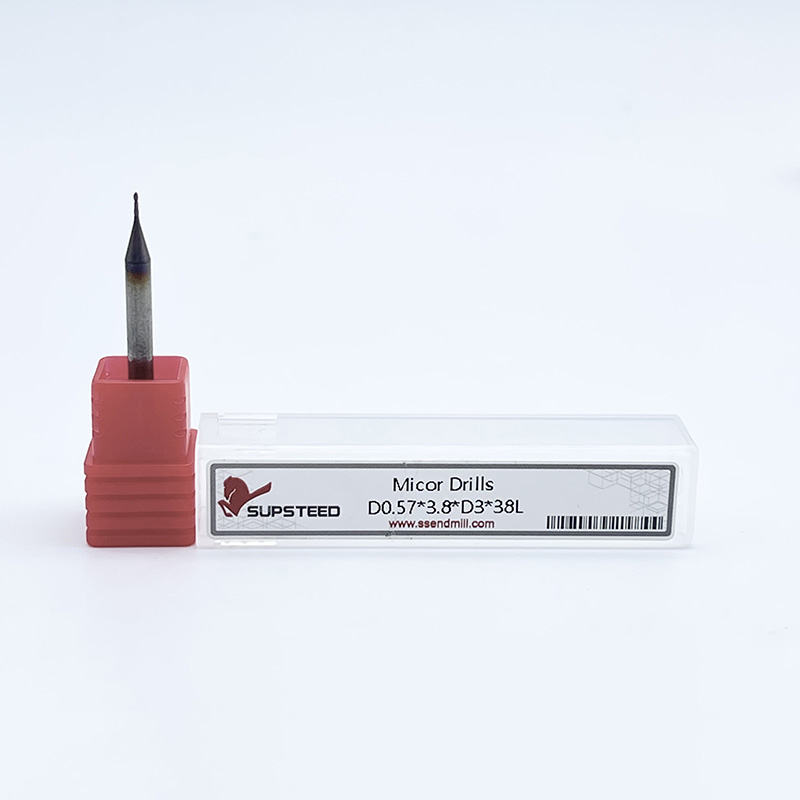
How can manufacturers achieve high precision when machining tiny, complex components? Small features and tight tolerances create serious manufacturing challenges. Micro Machining Tools enable accurate cutting of miniature holes, grooves, and intricate profiles. This article explores their applications in medical devices, aerospace, electronics, and precision manufacturing.
Modern industries increasingly require miniature components featuring complex geometries and tight dimensional tolerances. Standard cutting tools cannot always reach these small features.
Micro machining tools provide specialized solutions for processing delicate structures. They support accurate material removal while helping manufacturers maintain consistent quality across demanding applications.
Medical components often require small holes, narrow grooves, and precisely machined surfaces. Examples include selected surgical instruments, orthopedic components, and miniature mechanical assemblies.
Micro end mills and boring tools help manufacturers produce these detailed features. Their small cutting diameters provide access to confined machining areas.
However, medical manufacturing also requires appropriate material compatibility, burr control, and validated quality procedures.
Aerospace manufacturing includes miniature features in sensors, precision housings, and selected mechanical assemblies. These components may contain small passages, narrow slots, and intricate profiles.
Micro machining tools for aerospace components help manufacturers process these geometries. Suitable carbide tools also support machining titanium alloys and stainless steel.
Stable cutting conditions and dimensional inspections remain essential for achieving reliable results.
Electronic connectors and compact mechanical parts often contain miniature channels and precisely positioned holes. These features require careful tool selection and stable machining conditions.
Micro milling supports accurate profiling of small conductive and structural components. Micro drilling creates selected holes in compatible materials.
Manufacturers must control tool runout and burr formation. Both can affect component assembly and electrical connector performance.
Precision molds frequently contain miniature cavities, narrow ribs, and detailed surface contours. These features can be difficult to machine using conventional cutters.
Micro end mills for precision machining provide access to restricted areas. Suitable toolpaths help produce accurate cavity dimensions and controlled surface textures.
SUPSTEED PRECISION TOOLS offers Micro End Mills for fine slotting, detailed profiling, and precision contour machining. Its published range includes miniature solid carbide cutters starting at 0.1 mm diameter.
Optical equipment often includes miniature mechanical interfaces and accurately positioned mounting features. Small bores and detailed profiles can influence component alignment.
Micro boring and precision profiling tools support these manufacturing requirements. However, the selected tool must fit the available machining space.
Manufacturers should inspect bore dimensions, surface quality, and concentricity where required. Suitable measurement methods help verify finished component performance.
Selected automotive sensors and compact mechanical assemblies contain small holes and intricate features. Production often requires repeatable results across large component batches.
Micro drills and profiling tools support accurate machining of suitable metal components. Stable cutting parameters help maintain dimensional consistency.
Manufacturers should monitor tool wear and rejected components regularly. Consistent inspection helps identify problems before they affect larger production quantities.
Watchmaking involves small mechanical parts requiring precisely shaped holes, slots, and miniature profiles. Conventional cutters may lack suitable dimensions or clearance.
Specialized micro cutting tools provide access to these intricate features. Their geometry supports controlled material removal within confined areas.
However, workholding stability remains critical. Small machining errors can affect component fitting and mechanical operation.
Industry | Typical Micro Features | Suitable Operations | Main Requirements |
|---|---|---|---|
Medical devices | Small holes, fine grooves | Micro drilling, milling | Accuracy, burr control |
Aerospace | Small passages, profiles | Micro milling, boring | Cutting stability |
Electronics | Narrow slots, connector holes | Micro drilling, profiling | Positioning accuracy |
Precision molds | Miniature cavities, contours | Micro end milling | Surface finish |
Optical instruments | Precision bores, interfaces | Micro boring, profiling | Concentricity |
Automotive components | Sensor holes, small grooves | Micro drilling, milling | Repeatability |
Watchmaking | Miniature slots, holes | Micro milling, drilling | Fine detail |
Tip: Select micro machining applications according to actual feature dimensions, material properties, and inspection requirements.
Precision micro machining requires suitable tool geometry and carefully controlled material removal. Different operations use specialized cutting tools rather than one universal solution.
Micro drills create miniature holes beyond the practical range of larger drilling tools. Their cutting edges and flute designs support controlled material removal.
Tool runout strongly influences hole positioning and cutting stability. Poor chip evacuation can also cause breakage.
SUPSTEED PRECISION TOOLS provides Micro Drills manufactured from fine-grain solid carbide. Its published product range includes small-diameter drills for electronics, medical components, and precision applications.
Micro milling removes material from narrow slots, small pockets, and complex contours. Cutter diameter determines which features the tool can access.
Suitable flute geometry supports chip evacuation within restricted spaces. Short cutting lengths also help maintain rigidity.
However, excessive engagement can bend miniature cutters. Manufacturers should select appropriate toolpaths and inspect dimensions during production.
Micro boring tools refine existing holes requiring precise internal dimensions. They are particularly useful when drilling alone cannot achieve the required finish.
The cutting edge must fit the available bore diameter. Tool clearance and overhang also influence stability.
Specialized carbide micro boring tools provide controlled internal cutting. However, achievable results depend on tool geometry and machine conditions.
Miniature grooves and internal shoulders require specialized profiling tools. Their cutting geometry must provide suitable clearance around nearby component features.
Careful tool positioning helps prevent interference and unwanted material removal. Stable feeding also supports consistent groove dimensions.
Manufacturers should verify tool access before machining. This is especially important for deep recesses and complex internal geometries.
Tool design strongly influences accuracy at miniature cutting scales. Small differences in geometry, rigidity, and toolholding can affect finished component quality.
Ultra-small cutting diameters provide access to detailed component features. However, decreasing tool diameter also reduces bending stiffness.
Sharp cutting edges help form chips under appropriate cutting conditions. Clearance angles and flute geometry influence tool performance.
Manufacturers should select cutters according to actual feature dimensions. The smallest available tool is not always the most stable choice.
Solid carbide provides high hardness and stiffness for precision cutting applications. Fine-grain carbide grades can also support durable cutting edges.
However, miniature carbide tools remain vulnerable to excessive loading. Incorrect cutting conditions may cause chipping or sudden breakage.
Tool selection should balance hardness, toughness, and material compatibility. Manufacturers should consider the complete machining application.
Runout creates unequal cutting loads on miniature cutting edges. Even small alignment errors can become significant relative to cutter diameter.
Precision collets and suitable toolholders help control assembled tool runout. Spindle condition also affects cutting stability.
Manufacturers should measure runout near the cutting tool. Checking only the spindle specification may overlook toolholder-related problems.
Suitable coatings can improve wear resistance and thermal performance. However, coating thickness may influence cutting edge sharpness.
Some non-ferrous materials benefit from polished cutting edges. Other applications require specialized wear-resistant coatings.
Manufacturers should evaluate coatings under actual cutting conditions. Material properties and required chip thickness determine practical performance.
Tip: Measure assembled tool runout before changing feeds or speeds when miniature cutting quality becomes inconsistent.
Micro machining requires careful control of cutting speed, feed, and engagement. Parameters suitable for conventional milling may not work for miniature cutters.
Small-diameter tools often require higher spindle speeds to reach suitable cutting speeds. However, machine spindle limits may restrict practical operating conditions.
Excessive speed can increase thermal loading and accelerate wear. Insufficient cutting speed may also reduce machining efficiency.
Manufacturers should begin with supplier recommendations. Actual settings must reflect tool diameter, material hardness, and spindle capability.
Micro cutting becomes more sensitive to cutting edge radius at very small chip thicknesses. If chip thickness becomes too low, rubbing may replace effective cutting.
This can increase heat and produce poor surface finishes. Excessive feed, however, can overload miniature cutting edges.
Manufacturers should select suitable feed per tooth values. Controlled testing helps identify effective chip formation without premature breakage.
Axial and radial engagement determine how much material contacts the cutting tool. Greater engagement generally increases cutting forces.
Miniature tools have limited resistance to bending. Excessive loads can cause dimensional errors or tool breakage.
Short tool overhang and suitable cutting depths improve stability. Manufacturers should also consider gradual engagement changes during toolpath planning.
Small cavities and holes provide limited space for chip removal. Accumulated chips may cause recutting and unexpected tool loading.
Suitable coolant or air assistance can improve chip evacuation. The correct method depends on workpiece material and machine configuration.
Operators should monitor deep-feature machining carefully. Stable chip removal helps protect cutting edges and preserve surface quality.
Different miniature cutting tools serve different manufacturing purposes. Selecting the correct tool improves feature accessibility and reduces unnecessary machining errors.
Micro end mills perform fine slotting, miniature pocket machining, and intricate profiling. Their cutting edges remove material along programmed CNC toolpaths.
Flute count and cutter diameter influence chip evacuation and rigidity. Suitable finishing strategies help control surface quality.
These tools are particularly useful for precision molds and compact mechanical components.
Micro drills are designed specifically for creating small holes. Their point geometry supports controlled entry into suitable workpiece materials.
Accurate spindle alignment and chip evacuation are essential. Excessive tool runout can cause poor hole positioning or breakage.
Some drilled holes may require additional finishing. This depends on dimensional tolerance and surface requirements.
Micro boring refines suitable existing holes through controlled internal cutting. It can improve dimensional accuracy when adequate machining clearance exists.
Tool geometry determines the minimum accessible bore diameter. The process also requires suitable spindle or turning-machine configurations.
Manufacturers should confirm bore dimensions and tool compatibility before production. Specialized micro boring cutters cannot replace all drilling operations.
Micro profiling tools create narrow grooves, miniature shoulders, and detailed internal features. Their geometry provides access to specific cutting locations.
Dedicated grooving tools may perform better than general-purpose cutters in confined applications. However, they require suitable clearance and stable workholding.
Manufacturers should select tools according to feature orientation and available access.
Tool Type | Main Application | Precision Advantage | Main Limitation |
|---|---|---|---|
Micro end mill | Small pockets and profiles | Detailed contour cutting | Limited rigidity |
Micro drill | Miniature holes | Accurate hole creation | Sensitive to chip blockage |
Micro boring tool | Internal finishing | Controlled bore dimensions | Requires accessible existing holes |
Micro grooving tool | Narrow recesses | Specialized edge geometry | Limited clearance |
Micro profiling tool | Complex small features | Precise feature shaping | Depends on workholding |
Tip: Match the cutting operation to the tool design instead of using micro end mills for every miniature feature.
Micro machining errors often result from unstable cutting conditions or unsuitable machine setups. Early diagnosis helps prevent tool damage and rejected components.
Miniature tools have limited bending stiffness. Excessive feed rates or cutting engagement can cause sudden breakage.
Long tool overhang further increases this risk. Poor workholding may introduce additional vibration.
Manufacturers should inspect tool geometry and machine stability first. Reducing cutting loads without correcting setup problems may not solve the issue.
Tool runout causes unequal cutting engagement. Deflection changes the actual tool position during material removal.
Both problems can create dimensional errors in miniature components. Their effects become particularly significant with very small cutters.
Precision toolholding and suitable cutting parameters help reduce these variations. Finished dimensions should be checked using appropriate measuring equipment.
Burrs appear when material deforms near machined edges. Cutting edge geometry and chip thickness influence their formation.
Worn tools may also produce rough surfaces and irregular features. Excessive vibration further reduces machining consistency.
Suitable finishing passes help improve edge quality. However, manufacturers should confirm whether secondary deburring remains necessary.
Narrow cavities and deep holes can trap chips during machining. Recutting increases cutting forces and may damage tool edges.
Suitable flute geometry helps move chips away from the cutting area. Specialized cooling or chip removal methods may also improve performance.
For restricted cavities, SUPSTEED PRECISION TOOLS offers Long Reach End Mills. These tools support access to deep or difficult features, although extended reach increases deflection sensitivity.
Tip: Reduce unnecessary tool overhang and verify chip clearance before machining deep miniature features.
Reliable precision machining requires suitable tooling, stable workholding, and consistent inspection. Manufacturers should optimize the complete process rather than focusing only on cutting speed.
Toolpaths influence cutting engagement and tool loading. Sudden changes in cutting direction can overload miniature tools.
Gradual entry movements help maintain stable cutting conditions. Suitable finishing passes also improve dimensional accuracy and surface quality.
Manufacturers should verify tool clearance before machining complex features. This reduces collision risks and unnecessary cutting interruptions.
Small components require secure positioning during machining. Inadequate workholding may cause vibration or unwanted movement.
Precision fixtures and suitable collets help stabilize workpieces. Machine spindle condition also influences cutting quality.
Manufacturers should inspect workholding before increasing spindle speed. Stable setups support repeatable machining and reduce unexpected tool damage.
Miniature cutting edges may experience wear before major defects become visible. Increased cutting forces and declining surface quality can indicate problems.
Manufacturers should inspect tools according to production requirements. They should also record breakage frequency and usable cutting duration.
Preventive replacement reduces unexpected machine interruptions. Consistent inspection helps maintain repeatable component quality.
Micro machining requires measuring equipment appropriate for small feature dimensions. Optical inspection and microscopy are useful for many miniature geometries.
Contact measurement may also be suitable when component dimensions allow. The selected method should match required measurement uncertainty.
Manufacturers should record dimensional deviations and surface quality results. These measurements support process improvement and machining consistency.
Quality Indicator | Measurement Purpose |
|---|---|
Dimensional deviation | Checks feature accuracy |
Tool runout | Measures assembled tool alignment |
Surface roughness | Evaluates finished surface quality |
Burr formation | Identifies edge defects |
Tool breakage frequency | Tracks machining stability |
Tool life | Measures usable cutting duration |
Accepted parts per hour | Evaluates production efficiency |
Rejection rate | Tracks manufacturing consistency |
Tip: Use measurement methods with sufficient resolution and uncertainty for the specified component tolerances.
Selecting suitable tools requires understanding component geometry and manufacturing conditions. Tool diameter, cutting edge design, and machine compatibility all influence performance.
Feature dimensions determine which cutting tools can access the machining area. Buyers should review hole diameters, slot widths, and cavity depths.
Micro end mills suit miniature pockets and detailed profiles. Dedicated drills and boring tools perform different holemaking operations.
Manufacturers can review SUPSTEED PRECISION TOOLS' Micro Machining Tools for specialized tooling options. Its product range includes micro end mills, drills, and other precision cutting tools.
Carbide grade influences tool rigidity and resistance to wear. Cutting edge sharpness also affects chip formation during miniature machining.
Suitable coatings may improve performance under specific cutting conditions. However, inappropriate coatings can affect effective edge geometry.
Manufacturers should review tool specifications and material compatibility. Controlled trials help identify suitable combinations.
Micro machining tools require suitable spindle capabilities and rigid toolholding. Machine speed should support recommended cutting conditions.
Toolholder runout must remain appropriate for the selected cutter diameter. Excessive overhang also increases deflection risks.
Manufacturers should measure assembled tool alignment before production. Precision cutting tools cannot compensate for unstable machine setups.
The lowest tool purchase price does not always produce the lowest manufacturing cost. Tool life, machining time, and rejected components influence profitability.
Frequent tool breakage increases replacement costs and machine downtime. Stable performance supports more predictable production scheduling.
Buyers should compare tooling under equivalent conditions. Actual accepted output provides useful evidence of manufacturing value.
Selection Factor | What to Verify | Manufacturing Benefit |
|---|---|---|
Feature geometry | Hole diameter, groove width, cavity depth | Correct tool access |
Tool diameter | Compatibility with feature size | Accurate machining |
Cutting edge geometry | Sharpness, clearance, flute design | Controlled chip formation |
Carbide substrate | Hardness and toughness | Tool stability |
Tool coating | Workpiece compatibility | Appropriate wear resistance |
Toolholder and runout | Complete assembly accuracy | Reduced uneven loading |
Cutting parameters | Speed, feed, engagement | Balanced tool life |
Inspection capability | Measurement resolution and uncertainty | Reliable verification |
Tip: Provide suppliers with component drawings, material specifications, and tolerances when requesting micro machining tools.
Micro Machining Tools enable precise manufacturing of miniature components across medical, aerospace, electronics, and precision engineering industries.
Suitable cutting geometry, stable parameters, and low tool runout improve accuracy and surface quality.
SUPSTEED PRECISION TOOLS provides high-quality micro end mills, micro drills, and customized cutting solutions.
Its precision-engineered tools help manufacturers reduce tool breakage, improve machining efficiency, and maintain consistent production quality.
A: Micro Machining Tools produce tiny holes, grooves, and complex precision features.
A: Micro Machining Tools serve medical, aerospace, electronics, and miniature component manufacturing.
A: Micro Machining Tools enable accurate cutting through specialized geometry and stable machining.
A: They provide rigidity and wear resistance for precision micro milling.
A: Prices depend on tool diameter, carbide grade, coating, and customization.
A: Excessive cutting forces, tool runout, and poor chip evacuation cause breakage.


