- All
- Product Name
- Product Keyword
- Product Model
- Product Summary
- Product Description
- Multi Field Search

Views: 0 Author: Site Editor Publish Time: 2026-06-24 Origin: Site

Shifting from standard drilling to precision holemaking acts as a vital risk-mitigation strategy for high-value manufacturing. Production floors face immense pressure to deliver flawless parts on tight deadlines. Standard drills eventually fail when pushed beyond basic limits. You will start noticing missed geometric tolerances, unacceptable surface finishes, and rising scrap rates. These failures ruin expensive material blanks and halt production schedules. Understanding the precise threshold for upgrading is critical to maintaining profitability.
In this article, we explore the exact engineering and business parameters dictating when specialized tooling becomes necessary over commodity drill bits. You will discover how top-tier industries apply these advanced solutions to secure highly repeatable outcomes. We will also outline actionable evaluation frameworks to refine your own machining workflows. By understanding the distinct line between basic drilling and specialized holemaking, you can protect your high-value components from costly late-stage failures.
Precision holemaking is mandatory when strict Geometric Dimensioning and Tolerancing (GD&T) and surface finish requirements (Ra) dictate part viability.
High-stakes industries—like aerospace, medical, and EV manufacturing—rely on these tools to prevent scraping expensive, exotic material blanks.
Selecting the right holemaking tools requires evaluating machine rigidity, coolant delivery systems, and long-term cost-per-hole rather than upfront tool price.
Upgrading to precision hole drilling tools often eliminates secondary operations like reaming or honing, significantly compressing cycle times.
Relying on standard drills in high-tolerance environments hides massive operational costs. Many shops view commodity drill bits as inexpensive consumables. However, these tools frequently introduce severe downstream problems. Unpredictable tool breakage ruins parts. Inconsistent hole straightness forces intensive manual rework. Poor surface finishes require unexpected secondary operations. These hidden costs rapidly destroy profit margins.
Upgrading your machining setup requires a clear understanding of your success criteria. You must define what constitutes a successful machining operation beyond merely creating a hole. Let us examine the core business drivers for adopting premium tooling.
Protecting high-cost material blanks represents a massive priority. Industries frequently machine exotic materials like Titanium, Inconel, and hardened stainless steel. Holemaking often occurs late in the machining process. By the time a part requires drilling, it has already absorbed hours of expensive machine time. Scraping a complex aerospace component due to a wandering standard drill is catastrophic. Premium tools offer the rigidity and edge strength necessary to execute late-stage operations flawlessly.
Modern machine shops live and die by cycle times. Standard drills typically leave rough finishes or slightly undersized holes. This forces operators to program secondary operations like reaming, boring, or honing. Each additional tool change adds precious seconds to the cycle time. Advanced tools often achieve the final desired size and surface finish in a single pass. Eliminating secondary operations dramatically increases your overall machine throughput.
Uninterrupted "lights-out" manufacturing demands absolute process stability. You cannot leave machines running unattended if tool life remains unpredictable. Standard drills wear unevenly and fail without warning. High-end holemaking tools utilize specialized geometries and advanced coatings to deliver highly predictable wear patterns. Operators can confidently program tool changes after a specific number of cycles, ensuring continuous, safe production runs.
Certain industries operate under zero-margin-for-error conditions. These sectors process expensive materials and face rigorous regulatory oversight. The following high-stakes applications demand specialized solutions to meet extreme engineering requirements.
Application: Manufacturers produce complex engine blocks, turbine casings, and structural titanium airframes. These components undergo massive stress and extreme temperature fluctuations.
Requirement: Materials used in aerospace applications exhibit extreme heat resistance. Machining these alloys generates immense heat at the cutting edge. Tools must slice cleanly to prevent work-hardening the material. Deep-hole applications require strict positional accuracy to ensure assemblies fit together perfectly. Any deviation in hole straightness compromises the structural integrity of the aircraft.
Application: Medical facilities require orthopedic bone plates, surgical instruments, and permanent dental implants. These parts interact directly with human biology.
Requirement: Medical applications frequently demand micro-drilling capabilities. Holes must feature absolutely burr-free exits to prevent tissue damage. Machining biocompatible materials like Cobalt Chrome presents a massive challenge. These materials are incredibly abrasive and destroy standard edges rapidly. Specialized micro-tools featuring highly refined edge preparations are mandatory to maintain tolerances across production batches.
Application: The automotive sector machines fluid control valves, engine blocks, and EV battery cooling housings. The shift to electric vehicles introduces entirely new machining challenges.
Requirement: Automotive manufacturing runs on high-volume repeatability. Operators must execute cross-hole drilling without suffering tool deflection. EV battery cooling housings require long, perfectly straight channels to maintain precise fluid dynamic tolerances. Even microscopic deviations can disrupt coolant flow and compromise battery thermal management systems.
Application: Mold makers create intricate conformal cooling channels and deep ejector pin holes inside massive steel blocks.
Requirement: Tools must navigate extreme length-to-diameter (L/D) ratios. Superior hole straightness over long reaches is absolutely critical. Tool wander inside a mold block ruins weeks of expensive machining work. Specialized deep-hole drills provide the necessary core strength and specific point geometries to track perfectly straight through hardened tool steels.
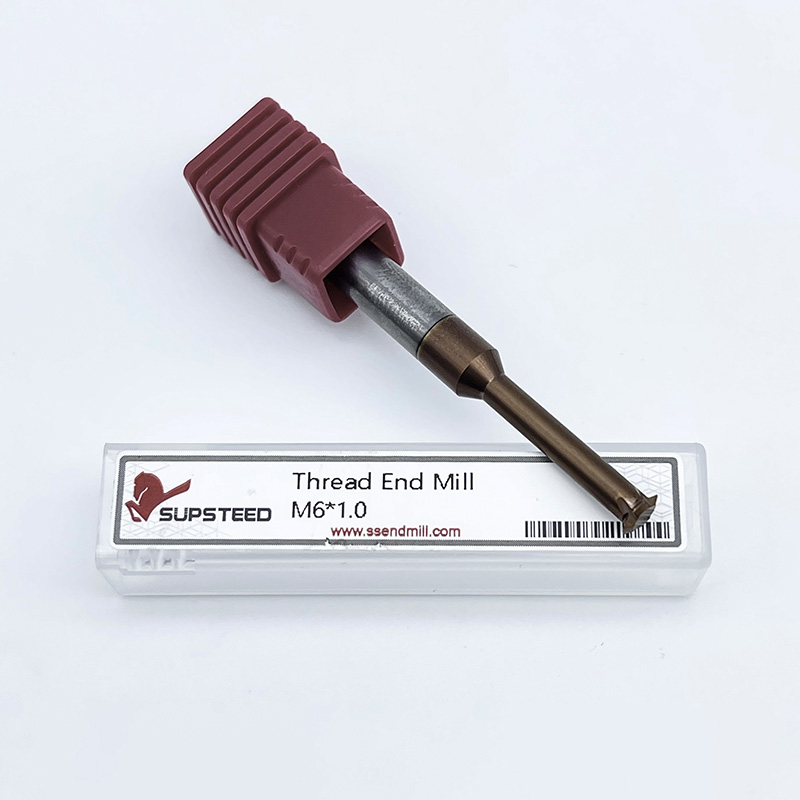
Selecting the correct tool depends heavily on your specific production goals. No single tool solves every machining challenge. Understanding the strengths and limitations of each category allows you to match the right tool to the required outcome.
Best for: Achieving ultimate precision, sustaining high feed rates, and operating in highly rigid setups. These tools dominate environments requiring maximum throughput and tight tolerances.
Limitations: They carry a higher initial purchase price. Maintaining their performance requires highly precise, factory-spec regrinding services.
Best for: Executing cost-effective roughing and medium-tolerance holes in large diameters. They allow operators to swap inserts quickly without removing the tool body from the machine.
Limitations: Insert bodies inherently lack the absolute rigidity of solid tools. They leave rougher surface finishes and typically require separate finishing passes for precision applications.
Best for: Dialing in exact dimensional sizing and achieving mirror-like surface finishes. They correct minor straightness issues left by preliminary drilling operations.
Limitations: Adding a reamer or boring bar adds significant cycle time. It introduces an entirely separate secondary operation into the machining workflow.
Best for: Tackling sub-millimeter applications in the electronics and medical fields. They feature highly specialized flute geometries to evacuate microscopic chips without snapping the delicate tool body.
Limitations: They require ultra-precise spindles with near-zero runout. Even minimal vibration shatters micro-drills instantly.
To simplify tool selection, consider the following summary chart detailing how different tool categories stack up against key manufacturing demands.
| Tool Category | Ideal Application | Key Advantage | Primary Limitation |
|---|---|---|---|
| Solid Carbide Drills | Tight tolerance, high-speed production | Superior rigidity and tool life | Requires specialized regrinding |
| Indexable Drills | Large diameter roughing | Quick cutting edge replacement | Poor surface finish |
| Boring Bars & Reamers | Micrometric sizing operations | Mirror-like surface finishes | Adds dedicated cycle time |
| Micro-Drills | Sub-millimeter medical/electronics | Clears microscopic chips efficiently | Extremely fragile under vibration |
Choosing premium tools involves examining multiple variables simultaneously. You cannot select a tool based on diameter alone. A robust evaluation framework prevents costly mismatches between your tooling and your machine capabilities.
Assess Material Machinability
You must match the tool substrate, point geometry, and coating to the workpiece hardness. For example, machining gummy aluminum requires polished flutes to prevent material adhesion. Conversely, cutting hardened steel demands advanced coatings like TiAlN or AlTiN to withstand extreme heat. The point angle must also match the material behavior to prevent excessive thrust forces.
Define Your Coolant Strategy
Evaluating your coolant delivery system is crucial. Deep holes trap heat and chips. You must assess the necessity of through-tool coolant versus traditional flood coolant. Through-tool coolant blasts high-pressure fluid directly at the cutting edge. This flushes chips rapidly and manages thermal buildup. Standard flood coolant often vaporizes before reaching the bottom of a deep hole, leading to catastrophic tool failure.
Analyze the Machine Capability Matrix
You must evaluate spindle runout, fixture rigidity, and available horsepower before purchasing premium tooling. High-end precision hole drilling tools cannot compensate for poor machine setups. Excessive spindle runout causes uneven chip loads, shattering expensive carbide inserts. Loose fixturing introduces vibrations that destroy cutting edges. Ensure your machine can physically support the demands of advanced cutting geometries.
Best Practice: Always indicate your spindle runout before testing a new tool. Keep runout strictly under 0.0005 inches (0.0127 mm) for solid carbide performance.
Even the best tools fail if implemented incorrectly. Operators must understand the physical realities of the cutting process. Recognizing setup risks early prevents damaged parts and broken tools. You must proactively manage several critical variables.
Tool Deflection and Wander: High L/D (Length-to-Diameter) ratio applications invite tool deflection. When a drill first contacts the material, a slight imbalance pushes it off-center. This causes "bell-mouthing" at the hole entrance and severe wandering deeper in the part. You must utilize pilot holes or spot drills with matching point angles to guide the primary tool safely into the cut.
Chip Packing and Evacuation: Improper pecking cycles or inadequate coolant pressure cause chips to pack inside the flutes. When chips cannot escape, they weld to the tool body. This leads to immediate, catastrophic tool failure. You must optimize your chip breaking strategies to produce small, manageable chips that flush away easily.
Thermal Management: Failing to control heat causes the workpiece material to work-harden. The hole wall becomes significantly harder than the base material. This work-hardened layer will instantly destroy taps or reamers used in subsequent operations. Proper speed adjustments and coolant application prevent this metallurgical shift.
CAM Software Optimization: Premium tools require optimized toolpaths. You must pair advanced tools with precise speeds, feeds, and entry/exit parameters inside your CAM software. Ramping down feed rates upon hole exit prevents burr formation and breakout.
Common Mistake: Using aggressive pecking cycles with high-performance solid carbide drills. Unlike high-speed steel (HSS), modern carbide drills are designed to cut continuously. Pecking often chips the brittle carbide edge upon re-entry.
Transitioning to new tooling requires a methodical approach. You cannot simply drop a new tool into a machine and expect immediate perfection. Follow a structured process to validate performance and secure operational improvements.
Start by establishing a firm baseline of your current performance. Document your existing tool life, current scrap rates, and total cycle time. Once you have clear baseline data, introduce the new tool. Run a controlled batch of parts. Measure the exact same metrics. This side-by-side comparison reveals the true impact of the upgrade.
You must test tools using consistent environments to gather verifiable data. Do not change the material batch, coolant concentration, or fixturing setup during a tool trial. If you change multiple variables simultaneously, you will never know which factor improved or degraded the performance. Keep the environment static and isolate the tool as the only changing variable.
Leverage the technical support offered by tooling manufacturers. Application engineers analyze hundreds of complex machining scenarios annually. They provide immense value when tackling proprietary applications. If standard catalog items fail, these engineers can tailor custom geometries, modify edge preparations, or recommend specialized coatings to solve your exact problem.
Implementing precision tooling represents a strategic investment in process stability and part compliance. It elevates your entire manufacturing capability far beyond simple operational expenses. Upgrading mitigates the massive risks associated with machining high-value components. You gain predictable tool life, eliminate costly secondary operations, and drastically reduce part rejection rates.
To move forward, take immediate action on your shop floor. Audit your current scrap rates to locate specific problem areas. Identify jobs suffering from long secondary operation times. Focus your initial upgrade efforts on these bottlenecks to secure immediate return on investment. By methodically applying the right tools to the right applications, you safeguard your profitability and enhance your competitive edge in modern manufacturing.
A: Precision tools feature tighter manufacturing tolerances, specialized flute geometries, and advanced coatings. Standard drills handle general roughing. Precision tools target specific Geometric Dimensioning and Tolerancing (GD&T) callouts. They guarantee exact diametrical sizes, extreme straightness, and superior surface finishes directly off the machine without requiring secondary passes.
A: Excessive spindle runout introduces lateral forces on the cutting edges. This causes uneven chip loads and rapid, unpredictable tool wear. It leads to oversized holes, poor surface finishes, and bell-mouthing. High-end tools cannot fix bad machine setups. You must minimize runout to unlock their full cutting performance.
A: You need a reamer when hole tolerances drop into the ultra-tight micrometric range. High-performance drills perform incredibly well, but they might struggle to hit extreme diametrical exactness or mirror-like Ra surface finishes consistently. Reamers dial in these exact dimensional sizes safely after a preliminary drilling pass.
A: Yes, solid carbide tools accept regrinding and recoating. This extends their useful life significantly. However, you must return them to original equipment manufacturer (OEM) specifications. Incorrect regrinding alters edge preparation and point geometries. This immediately degrades precision and ruins your process reliability.


