- All
- Product Name
- Product Keyword
- Product Model
- Product Summary
- Product Description
- Multi Field Search


| Quantity: | |
|---|---|
Carbide Slitting Saws
Our company provides high-quality saw blade milling cutters designed for precision cutting and slotting. Manufactured from premium tungsten steel and coated with advanced wear-resistant materials, these cutters deliver exceptional durability, sharpness, and cutting efficiency. The fine-toothed design ensures smooth operation, reduced vibration, and excellent surface finishes. Ideal for processing materials like carbon steel, stainless steel, aluminum alloys, and cast iron, our saw blade milling cutters are suitable for a wide range of industrial applications, ensuring reliable and precise performance.
Crafted from premium-grade tungsten steel with ultra-fine grain structure, our saw blade milling cutters offer exceptional hardness, toughness, and resistance to thermal deformation. This advanced substrate material ensures the tools maintain their edge integrity even under high-speed and high-load cutting conditions, significantly reducing wear and extending service life.
To further enhance performance, each cutter is coated with advanced multi-layer wear-resistant coatings—such as TiCN, TiAlN, or specialized PVD coatings—using cutting-edge deposition technology. These coatings improve surface hardness, reduce friction, resist built-up edge, and provide excellent protection against heat and abrasion, especially when machining sticky or hard-to-cut materials.
Our fine-toothed design is optimized for smooth cutting action, minimizing vibration and chatter during operation. This results in quieter performance, reduced tool deflection, and outstanding surface finishes—critical for applications where dimensional accuracy and part quality are paramount. The precision-ground cutting edges ensure clean, burr-free slots and consistent chip control, enhancing both productivity and safety in automated production lines.
Show Details

Specitications
| SIZES(D*sD*L) | |
| D16*5*0.8-5*30T | D75*22*0.8-32*90T |
| D20*6*0.8-8*40T | D80*22*0.8-32*100T |
| D25*6*0.8-10*50T | D90*22*0.8-32*100T |
| D30*8*0.8-10*50T | D100*27*0.8-32*120T |
| D40*13*0.8-16*60T | D110*27*0.8-32*128T |
| D50*16*0.8-22*65T | D120*27*0.8-32*150T |
| D60*16*0.8-25*72T | D150*27*0.8-32*180T |
Clients Good Feedback

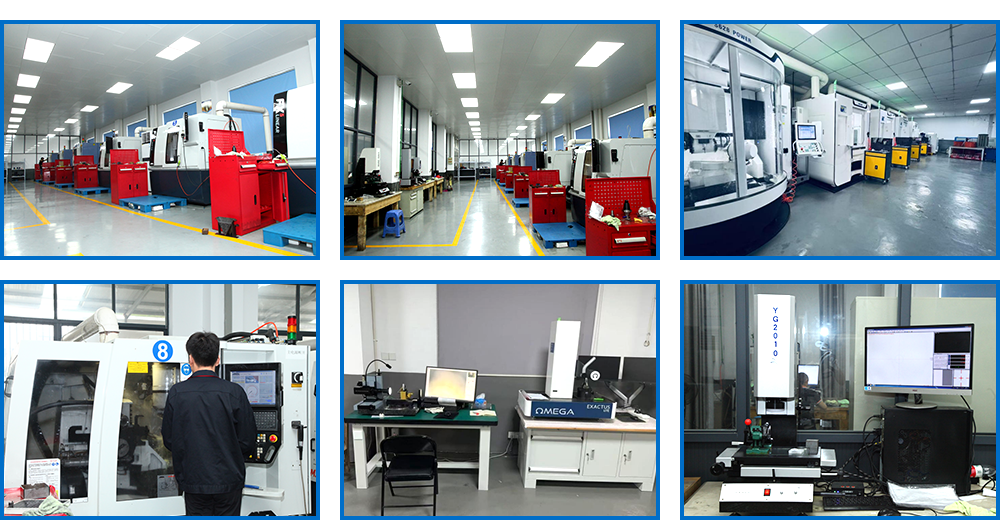
Factory
Service Introduction

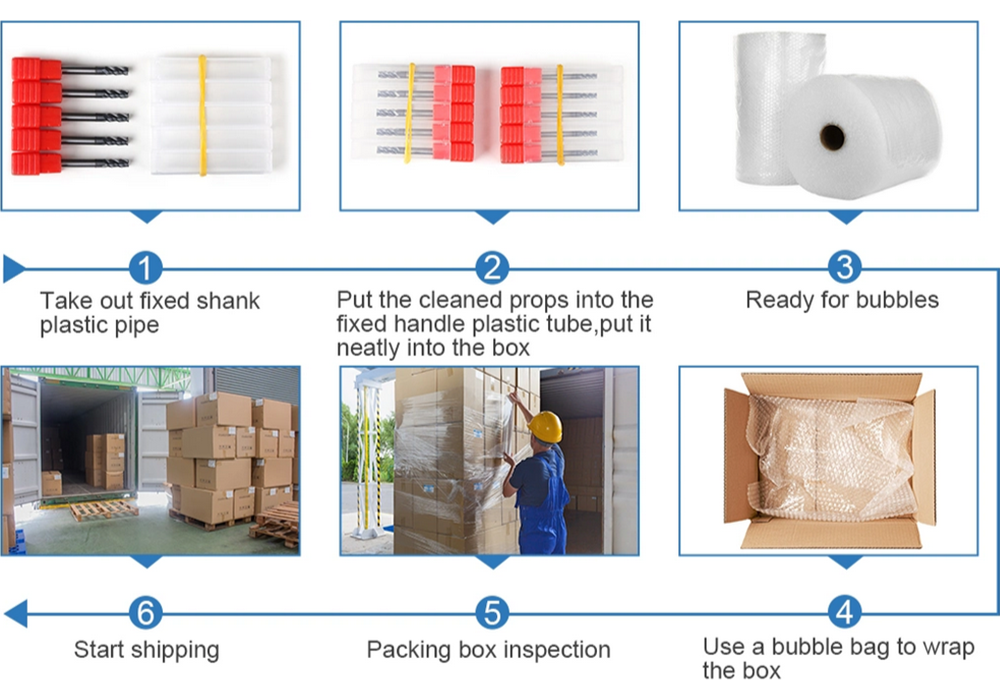
Logistics Package
FAQ
Q1: What are carbide slitting saws and what are they used for?
A1 Carbide slitting saws are precision cutting tools made from tungsten carbide, designed to cut narrow slots or slits into materials. They are widely used in metalworking industries for applications such as slotting, grooving, and parting off operations on various metals including steel, aluminum, and stainless steel.
Q2: How do I choose the right diameter and thickness for my carbide slitting saw?
A2 The choice of diameter and thickness depends on the specific application requirements. Typically, thinner saws are used for finer cuts, while larger diameters allow for deeper cuts. It is essential to consider the material being cut, the depth of the cut, and the machine's capabilities when selecting the appropriate size.
Q3: Can carbide slitting saws be used on all types of materials?
A3 While carbide slitting saws are versatile and can handle a wide range of materials, including carbon steel, stainless steel, and aluminum alloys, their effectiveness varies based on the hardness and composition of the material. Special care should be taken when cutting very hard or abrasive materials, and it may be necessary to use specific grades of carbide or coatings optimized for these conditions.
Q4: What maintenance is required to ensure the longevity of carbide slitting saws?
A4 Proper maintenance includes regular cleaning to remove chips and debris, checking for wear or damage, and ensuring that the tool is properly stored when not in use. Regular sharpening by a professional service can also extend the life of your saws. Avoid overheating during operation by using appropriate cutting speeds and feeds.
Q5: Are there different tooth geometries available for carbide slitting saws?
A5 Yes, carbide slitting saws come in various tooth geometries, including straight, staggered, and alternate top bevel (ATB) configurations. The choice of geometry affects chip evacuation, surface finish, and cutting efficiency. Selecting the right tooth geometry is crucial for achieving optimal performance and minimizing tool wear.
Q6: How can I prevent chipping or breaking of carbide slitting saws during use?
A6 To prevent chipping or breaking, ensure that the saw is securely mounted and balanced correctly. Use the recommended cutting parameters for speed and feed rates, and avoid sudden stops or starts. Additionally, using a coolant or lubricant can help reduce heat buildup and improve cutting performance, thus reducing the risk of damage.


