- All
- Product Name
- Product Keyword
- Product Model
- Product Summary
- Product Description
- Multi Field Search


Grooving Tools
Forge deeper grooves, longer, with SUPSTTED's next-generation grooving solutions. We move beyond standard tooling, delivering engineered precision for the most demanding parting, grooving, and profiling challenges across steel, stainless, superalloys, and composites.
The SUPSTTED Difference: Where Innovation Meets the Cut
Proprietary Nano-Layered Coatings (NexaShield™): Experience unparalleled thermal resistance and crater wear protection. Our unique TiAlCrSiN-based coating, deposited via advanced HIPIMS technology, forms an ultra-dense, ultra-smooth barrier. This translates to significantly reduced friction, suppressed built-up edge, and consistent performance at elevated speeds – extending tool life by up to 500% versus conventional PVD in high-heat applications.
Micro-Geometry Optimized: Every cutting edge undergoes SUPSTTED's proprietary "EdgeSync™" micro-finishing process. This eliminates microscopic irregularities, creating a supremely stable, fracture-resistant edge. Combined with our precisely honed chipbreakers, it guarantees predictable, string-free chip control and exceptional surface finishes (Ra < 0.8 μm achievable), even in interrupted cuts and deep grooving.
Ultra-Dense Substrate Core (HyperCore™ Grade): Built on a foundation of ultra-fine grain carbide, meticulously sintered under extreme pressure, HyperCore™ provides unmatched rigidity and resistance to deformation. This core stability prevents deflection during deep grooving operations, ensuring dimensional accuracy and straight groove walls batch after batch.
Application-Engineered Variants: Choose from our specialized portfolio: DeepReach™ series for exceptional stability in L/D ratios > 5x width; SpeedForm™ for high-feed profiling and intricate contours; ToughCut™ featuring reinforced corners for severe interrupted cuts and hardened materials (>55 HRC).
Maximize Productivity & ROI:
Reduced Machining Time: Achieve higher feeds and speeds thanks to superior thermal management and edge stability.
Minimized Unplanned Stops: Predictable, extended tool life reduces changeover frequency and machine downtime.
Consistent Quality: Guarantee part conformity and superior surface integrity, eliminating rework.
Lower Cost-Per-Part: The combined effect of longevity, speed, and reliability drives down your overall machining costs.
Show Details

Specitications
| SIZES | |||
| MKR | MGR | MFR | MIR |
| MKR-4-R0.5-L10 | MGR-3-B0.7-L10 | MFR-4-B0.75-L15 | MR-3-A60-L15 |
| MKR-4-R0.75-L10 | MGR-4-B1-L10 | MFR-4-B1.0-L15 | MIR-4-A60-L15 |
| MKR5-R0.5-L15 | MGR-5-B1-L22 | MFR-5-B1.0-L22 | MR-5-A60-L15 |
| MKR-5-R0.75-L15 | MGR-5-B2-L22 | MFR-5-B2.0-L22 | MR-6-A60-L15 |
| MKR-5-R1.0-L15 | MGR-6-B1-L22 | MFR-6-B1.0-L22 | MR-8-A60-L15 |
| MKR6-R0.5-L15 | MGR-6-B2-L22 | MFR-6-B1.5-L22 | |
| MKR6-R0.75-L15 | MFR-6-B2.0-L22 | ||
| MKR6-R1.0-L15 | MFR-6-B3.0-L22 | ||
Clients Good Feedback

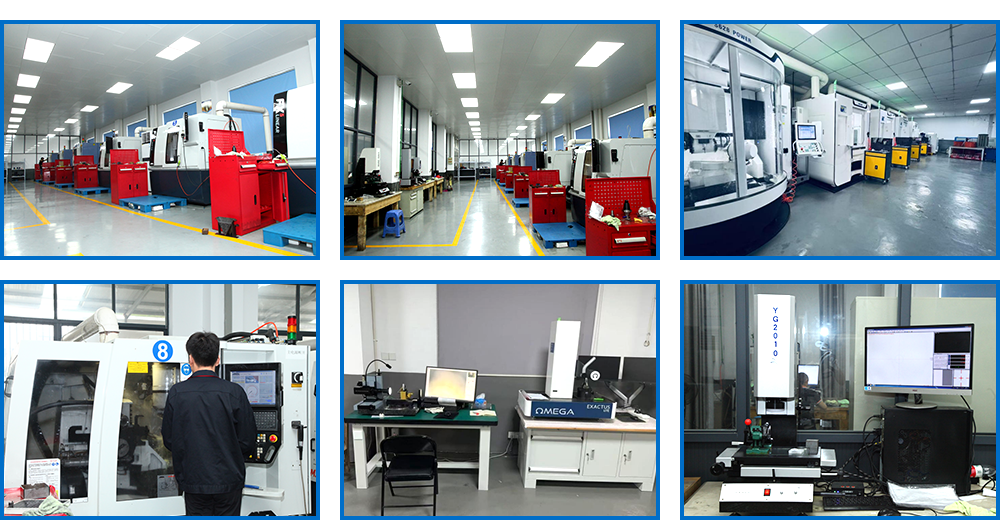
Factory
Service Introduction

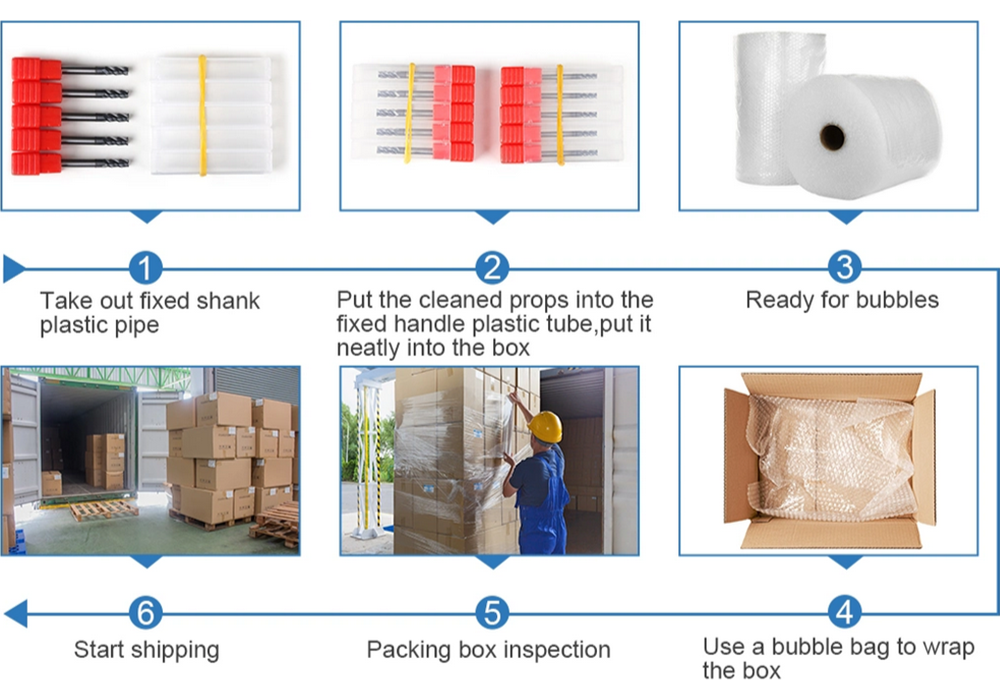
Logistics Package
FAQ
1. Q: What factors should I consider when selecting a grooving tool?
A: Key factors include the material being machined, required groove width and depth, machine power and rigidity, desired surface finish, coolant availability (flood or through-tool), and insert geometry (chipbreaker design). Always match the toolholder shank size to your machine's toolpost capacity.
2. Q: How can I minimize vibration or chatter during grooving operations?
A: Ensure maximum tool rigidity: use the shortest possible tool overhang, tighten all clamping components securely, and select the widest possible shank/toolholder. Optimize cutting parameters: reduce feed rate slightly, adjust cutting speed, and ensure adequate coolant flow to control chips. Proper workpiece support (e.g., tailstock) is also critical.
3. Q: How do I know when my grooving insert is worn and needs replacing?
A: Monitor for these signs: deteriorating surface finish on the groove walls/bottom, increased cutting forces (vibration/noise), excessive burr formation on the workpiece, dimensional inaccuracy, or visible flank wear (> 0.3mm) or notch wear on the insert's cutting edges. Consistent insert inspection is essential.
4. Q: What is the proper way to set up a grooving tool for accurate results?
A: Precisely align the tool's center height with the workpiece spindle centerline. Ensure the insert is square to the workpiece axis (use a setting gauge if needed). Set the tool perpendicular to the workpiece face for face grooving or parallel to the axis for OD/ID grooving. Perform a trial cut and measure the groove to verify positioning before full-depth passes.
5. Q: Can I use grooving tools without coolant?
A: While possible for some materials with specific coated inserts (e.g., dry machining grades), coolant is highly recommended for most grooving applications. Coolant significantly improves tool life, chip control, surface finish, and dimensional accuracy by reducing heat and friction. Through-tool coolant is particularly effective for deep grooves or tough materials.


