Please Choose Your Language
- All
- Product Name
- Product Keyword
- Product Model
- Product Summary
- Product Description
- Multi Field Search

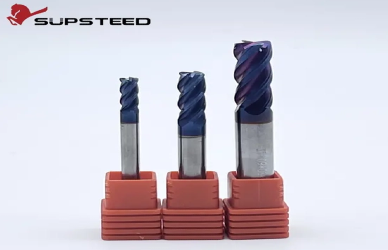
A miller tool is a cutting tool used in the milling process, which involves removing material from a workpiece using rotary cutters. Milling tools are essential in precision machining and are widely used in CNC (computer numerical control) and manual milling machines. They come in a variety of shapes, sizes, and materials, each suited to different types of cutting operations, including face milling, slotting, and drilling. The primary advantage of using milling tools is their ability to provide high-precision material removal, allowing manufacturers to create parts with complex geometries, tight tolerances, and superior surface finishes. Whether for prototype work or mass production, selecting the right milling tool ensures efficiency, reduces tooling costs, and enhances the final product’s quality.
A miller tool is a cutting tool used in the milling process, a subtractive manufacturing method that involves removing material from a workpiece with a rotating cutter. These tools are typically used on CNC (computer numerical control) machines or manual mills to shape parts by cutting away unwanted material, creating precise and complex features. Milling tools are essential for producing components in industries like aerospace, automotive, medical devices, and electronics. Their versatility allows for a wide range of operations, including drilling, boring, and contouring, depending on the tool’s design and cutting properties.
There are several types of milling tools, each designed for specific applications. Some of the most common include:
End Mills: These are the most versatile milling tools and are used for a variety of cutting operations. They have cutting edges on both the sides and the tip, allowing for both axial and radial cutting. End mills are ideal for tasks like slotting, pocketing, and profile cutting.
Face Mills: These tools are designed for cutting flat surfaces and removing material from large, flat areas. The cutting edges are located on the face of the tool, and face mills are primarily used for face milling, which involves cutting large surfaces of the workpiece to create a smooth, flat finish.
Slab Mills: Slab mills are similar to face mills but are used for heavy-duty cutting. They are typically larger in diameter and are designed to remove large volumes of material quickly, often used for machining wide, flat surfaces or cutting slots in thicker materials.
Each of these milling tools serves a unique purpose, and the choice of tool depends on the specific machining task at hand. Understanding the characteristics of each tool type is essential for selecting the right tool for a given job and ensuring optimal performance and precision.
The most common materials used for milling tools are steel and carbide, each offering unique benefits depending on the application.
Steel: High-speed steel (HSS) is a widely used material for milling tools due to its balance of strength, toughness, and cost-effectiveness. It retains hardness at higher temperatures, making it suitable for cutting softer materials like aluminum, plastics, and mild steels. Steel tools are generally easier to sharpen and maintain but may wear out faster than carbide when used on harder materials.
Carbide: Carbide tools are much harder and more durable than steel tools, making them ideal for cutting harder materials such as stainless steel, titanium, and high-strength alloys. Carbide can withstand higher cutting speeds and temperatures, allowing for faster and more efficient machining. While carbide tools are more expensive than steel, their superior wear resistance and longer lifespan often justify the investment, especially in high-volume production.
To further enhance the performance and longevity of milling tools, specialized coatings are often applied. These coatings improve wear resistance, reduce friction, and extend tool life, especially in demanding environments.
TiN (Titanium Nitride): TiN is a common coating applied to milling tools to improve hardness, increase wear resistance, and reduce friction. It also helps the tool maintain its sharpness for a longer period. TiN-coated tools are ideal for cutting non-ferrous metals, plastics, and soft steels.
TiAlN (Titanium Aluminum Nitride): TiAlN is another advanced coating that provides superior heat resistance, making it ideal for cutting harder materials like high-carbon steels, titanium alloys, and other high-temperature alloys. TiAlN-coated tools are known for their ability to maintain cutting edge performance even under extreme conditions, offering increased tool life and more efficient cutting operations.
These coatings enhance the capabilities of milling tools, making them more versatile and cost-effective for machining a wide range of materials.
Manual Milling: In manual milling machines, the operator controls the movement of the tool and workpiece. The operator feeds the tool into the material using manual cranks or hand control. This method is slower, requiring skill and precision for small jobs and prototyping.
CNC Milling: CNC machines are automated and use pre-programmed instructions (G-code) to control the movement of the milling tool with high precision. This method is faster, more accurate, and ideal for large-scale production and complex parts, offering consistent results without operator intervention.
Plunging: Plunging involves moving the tool straight down along the Z-axis into the material. This is typically done with end mills or drill bits to create holes or vertical cuts.
Side Cutting: Side cutting uses the tool’s side edges to remove material along the length of the workpiece. This action is performed by end mills or slab mills and is commonly used for slots and channels.
Face Cutting: Face cutting uses the tool’s face edges to create smooth, flat surfaces. Face mills are typically used for surfacing and planing operations, removing material evenly across a wide area.
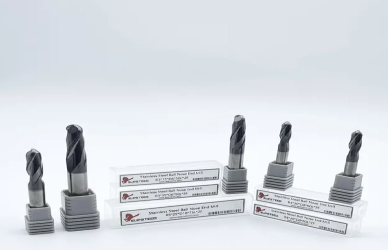
The material being machined is a crucial factor in choosing the right milling tool. Softer materials like aluminum require tools with high-speed steel (HSS) or carbide tips, while harder materials like stainless steel or titanium need tools made from carbide for their superior durability and wear resistance. Additionally, harder materials may require tools with specialized coatings like TiN or TiAlN to reduce friction and improve tool life. Understanding the workpiece material helps in selecting the correct tool that ensures efficient cutting and longevity.
Choosing the correct tool geometry, size, and number of flutes is essential for optimal milling performance. The geometry (such as rake angle, helix angle, and cutting edge design) impacts how the tool engages with the material and affects the quality of the cut. The size of the tool should match the workpiece dimensions to ensure proper clearance and avoid overloading. The number of flutes determines how much material can be removed at once, with fewer flutes providing higher chip removal rates, while more flutes are better for smoother finishes and tighter tolerances. Selecting the right geometry and size ensures efficiency, precision, and better surface finishes.
Milling tools are essential for producing precision parts in various industries. In aerospace, they are used to machine lightweight, high-strength components such as turbine blades, engine casings, and landing gear. In the automotive industry, milling tools create parts like engine blocks, transmission components, and precision gears. These industries require high tolerance, surface finish, and material removal rates, making milling tools crucial for producing reliable, high-performance parts.
Some projects demand custom-designed milling tools to meet specific requirements. For example, in medical device manufacturing, custom tools may be needed to create intricate parts like implants, surgical instruments, or prosthetics. In mold making, specialized tools are used to create complex, high-precision molds for plastic injection molding or die-casting. Custom tooling ensures that these projects are completed with the necessary accuracy and efficiency, allowing manufacturers to produce parts with complex geometries or tight tolerances.
A: Choose based on material type, desired finish, and the specific operation needed (e.g., face milling, slotting, or contouring).
A: Yes, different milling tools are optimized for roughing (fast material removal) or finishing (precision and surface quality).
A: Tool lifespan depends on the material, coating, and machining conditions. Regular maintenance and sharpening can extend tool life.
A: Yes, ensuring proper coolant use, tool handling, and disposal of metal shavings helps maintain safe and eco-friendly operations.
Miller tools are indispensable in the world of machining, playing a key role in precision material removal. From end mills and face mills to custom-designed tools, they come in various types, each tailored to different cutting operations. These tools are used in industries like aerospace, automotive, and medical device manufacturing, where accuracy, durability, and efficiency are paramount. When choosing milling tools, consider factors like material type, tool geometry, and size to ensure optimal performance. Regular maintenance, proper tool selection, and understanding the cutting requirements are essential for maximizing tool life and achieving the best results in your machining projects. Proper calibration and monitoring also ensure long-term productivity and consistency in complex operations.


