Please Choose Your Language
- All
- Product Name
- Product Keyword
- Product Model
- Product Summary
- Product Description
- Multi Field Search

Views: 0 Author: Site Editor Publish Time: 2026-03-09 Origin: Site
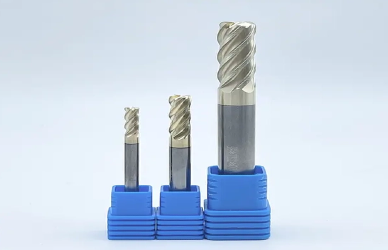
In CNC milling, tool offset refers to the adjustment made to the machine's coordinates to account for the physical dimensions and positioning of the cutting tool. This includes both the tool length offset (H) and the tool diameter offset (D), which are critical for ensuring that the tool operates at the correct depth and position during machining. Proper tool offset management is essential for achieving precise part dimensions, optimizing machining efficiency, and maintaining high-quality surface finishes. It compensates for variations in tool wear, diameter, and length, preventing errors such as misaligned cuts or incorrect part dimensions. Without accurate tool offsets, even the most advanced CNC machines would struggle to produce parts with consistent precision.
Tool offset in CNC machining refers to the adjustments made in the machine’s control system to compensate for the physical characteristics of the cutting tool. These adjustments allow the machine to position the tool correctly, ensuring that cutting operations are performed at the desired depths and locations. Tool offsets are critical for maintaining precision and accuracy throughout the machining process, helping to correct any discrepancies caused by tool wear, variations in tool size, or tool changes.
There are two primary types of tool offsets used in CNC machining:
Tool Length Offset (H): This offset compensates for the height or length of the cutting tool. The tool length offset ensures that the tool reaches the correct Z-depth, regardless of its physical length. When tool changes occur, the length offset is used to adjust the starting position of the tool to avoid cutting too deep or too shallow.
Tool Diameter Offset (D): This offset accounts for the diameter of the cutting tool, especially for tools like end mills or drills. The tool diameter offset is crucial for accurate lateral cutting, ensuring that the tool’s path matches the programmed dimensions. It compensates for slight variations in tool diameter, ensuring that cuts are made precisely along the intended path.
Both tool length and diameter offsets are essential for CNC machines to perform precise, accurate machining tasks and maintain consistent part quality.
Tool offsets are essential for maintaining precision and accuracy in CNC milling. By adjusting the tool length offset (H) and tool diameter offset (D), the CNC machine ensures that the tool cuts at the correct depth and position. These adjustments allow for precise cutting, especially when machining parts with complex geometries or tight tolerances. Tool offsets are critical in ensuring that every cut is made at the exact intended depth and that part dimensions remain accurate throughout the entire milling process. Without proper tool offset management, errors in cutting depth, surface finish, and overall part quality can occur, leading to costly rework or scrap.
As milling tools are used, they naturally wear down, which can affect their cutting ability and overall length. Tool wear compensation is one of the main reasons for adjusting tool offsets during machining. As a tool's cutting edge becomes dull, its ability to maintain precise depth and dimensions diminishes. By regularly updating the tool offsets to account for wear, the CNC machine can maintain consistent part quality. This adjustment ensures that the tool continues to cut at the correct depth, preventing errors that could arise from worn-down tools. Proper tool offset management is key to extending tool life, reducing downtime, and maintaining part consistency throughout long production runs.
Manual tool offset setting involves simple methods like using paper or gauge blocks. Here’s how to do it:
Prepare the Tool and Measurement Method:
Paper Method: Place a thin sheet of paper between the tool and the workpiece.
Gauge Block Method: Use a gauge block with a known thickness.
Position the Tool:
Insert the tool and jog it safely to start above the workpiece or gauge block.
Lower the Tool:
For the paper method, slowly lower the tool until it grips the paper.
For the gauge block, make contact with the block.
Record the Tool Height:
Subtract paper thickness for the paper method or use the block’s thickness for the gauge block method.
Enter the Offset:
Enter the measured value into the CNC’s tool offset register.
Manual setting is simple but relies on operator precision.
CNC machines with automatic tool setters or probes streamline tool offset setting:
Activate the Probe:
Position the probe at a known reference point, usually the machine bed or fixture.
Start the Measurement:
The CNC automatically lowers the tool onto the probe, which measures the tool’s position.
Offset Calculation:
The CNC system calculates and stores the tool offset based on the probe’s reading.
Automatic Adjustment for Tool Wear:
Some systems adjust offsets automatically as tools wear down, maintaining accuracy.
Automatic setting improves precision and efficiency, reducing errors and setup time.
In CNC milling, tool tables store the offsets for each tool used in the machine. These tables are essential for managing tool data such as tool length (H) and tool diameter (D) offsets. Each tool is assigned a unique number, and its corresponding offset values are stored in the CNC control system.
Tool Table Setup: Enter the tool's unique number, followed by its length and diameter offsets.
Organizing Tools: Organize tools based on their function (e.g., roughing, finishing) to ensure efficient setup.
Storing tool offsets in a table allows easy retrieval and ensures the machine uses the correct data for each tool during the machining process.
Tool offsets must be updated regularly to ensure accuracy, particularly after tool changes.
When to Update:
After changing tools or inserts
When a tool wears down or is replaced
Following any significant machine adjustments or crashes
Why Update:
Tool wear can affect cutting depth and part dimensions, requiring recalibration to maintain precision.
If a tool’s physical characteristics change (e.g., after sharpening or replacement), its offsets need to be adjusted to reflect the new measurements.
Regular updates to the tool offsets ensure consistent machining quality and reduce the risk of errors or scrap parts.
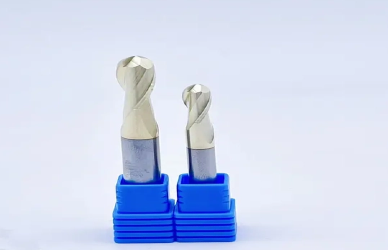
Incorrect tool offsets can lead to several issues in CNC milling, including:
Part Misalignment: If the tool height or diameter offsets are incorrect, the tool may cut in the wrong position, causing parts to be misaligned or cut incorrectly.
Dimensional Inaccuracies: Offsets that are too high or low can lead to parts that don’t meet required dimensions, resulting in tolerance violations or incorrect depths.
Regularly checking and recalibrating tool offsets helps avoid these common errors, ensuring the part remains within specifications.
Probe miscalibration can significantly impact the accuracy of tool offset settings. If the probe isn't calibrated correctly, it might give incorrect readings when measuring tool height or diameter.
Effects of Miscalibration: Miscalibrated probes can result in inaccurate tool offsets, leading to poor part quality or machining errors.
Fixing Probe Errors:
Regular Calibration: Ensure the probe is calibrated according to the machine’s specifications after tool changes, machine crashes, or periodic maintenance.
Check Probe Condition: Clean the probe surface and verify that it's in good working condition to ensure precise measurements.
Correctly calibrated probes improve tool offset accuracy, reducing machining errors and enhancing production efficiency.
Regular calibration of tool offsets is crucial for maintaining machining accuracy. Over time, offsets can drift due to wear, temperature changes, or tool swaps.
Why It Matters: Recalibration ensures precise tool positions, preventing dimensional errors and poor finishes.
When to Recalibrate:
After tool changes or machine maintenance
After machine crashes or misalignment
Periodically to ensure consistent performance
Regular checks and adjustments prevent errors and keep operations precise.
Tool wear affects cutting performance and offsets. Tracking wear and adjusting offsets keeps cuts accurate.
Tracking Wear: Monitor tool condition and use software to track wear over time.
Adjusting Offsets: As tools wear, update their length offsets to maintain cutting depth and consistency.
When to Replace: Replace tools when wear becomes excessive and reset their offsets.
Proper maintenance, wear tracking, and recalibration extend tool life and ensure optimal machining results.
Tool offsets are crucial in CNC milling to ensure precision and accuracy throughout the machining process. They allow for the correct tool position, ensuring accurate cutting depths, part dimensions, and consistent part quality. Regularly calibrating tool offsets, tracking tool wear, and maintaining proper tool management are essential for optimal performance. By consistently updating offsets, recalibrating tools when necessary, and using the right methods for tool height and diameter adjustments, you can improve machining efficiency, reduce errors, and extend the lifespan of your milling tools. Following these best practices will ultimately lead to better-quality parts and more reliable machining results.
A: Tool offsets ensure accurate cutting depths and dimensions, improving machining precision and part quality while accounting for tool wear.
A: Regular calibration, verification with test cuts, and monitoring tool wear can help ensure tool offsets are set correctly.
A: No, each tool requires its own offset values, based on its length, diameter, and specific cutting characteristics.
A: Tool offsets should be updated whenever tools are changed, during tool wear, or after recalibration to ensure consistent cutting performance.


