Please Choose Your Language
- All
- Product Name
- Product Keyword
- Product Model
- Product Summary
- Product Description
- Multi Field Search

Views: 0 Author: Site Editor Publish Time: 2026-08-03 Origin: Site

End mill edge consistency is one of the most important quality factors in carbide tool manufacturing. Even when two tools have the same diameter, coating and flute number, they may perform differently if their cutting edges are not controlled in the same way. One tool may cut freely but chip early. Another may have an over-rounded edge that generates heat, increases cutting force or reduces surface finish quality.
For a milling tool manufacturer, edge consistency is not controlled by final inspection alone. It depends on the complete end mill manufacturing process, including tool design, carbide blank quality, CNC grinding, grinding wheel condition, coolant control, edge preparation, flute polishing, coating preparation, inspection and batch traceability.
For buyers comparing Milling Tools, edge consistency is an important quality factor because it affects cutting stability, edge chipping, tool life and repeat order performance.
This article explains how manufacturers can control end mill edge consistency and what buyers should check when evaluating carbide end mill quality.
A milling tool manufacturer controls end mill edge consistency by managing every process that affects the cutting edge.
Key points include:
Edge consistency is more than edge sharpness.
The correct edge depends on material, machining operation and tool design.
CNC grinding must control flute shape, relief, corner form and surface quality.
Grinding wheel condition affects burrs, edge form and repeatability.
Edge preparation removes burrs and micro-defects.
Over-honing can reduce cutting efficiency.
Flute polishing supports chip evacuation and edge quality.
Coating preparation depends on a clean and stable edge condition.
High-magnification inspection helps identify micro-chipping.
Batch traceability helps support repeat order consistency.
The right edge is not always the sharpest edge. It is the edge form that matches the material, operation and required balance between sharpness and strength.
A practical process can be shown as:
Tool Design → Carbide Blank → CNC Grinding → Edge Preparation → Coating Preparation → Inspection → Batch Traceability
End mill edge consistency means that the cutting edges of the tool are controlled according to the intended design. It includes edge sharpness, edge radius, burr removal, corner condition, flute surface, micro-chipping control and consistency between tools in the same batch.
It is not enough for an end mill to look correct from a distance. The cutting edge must be suitable for the workpiece material and machining operation. Aluminum machining may need a sharper and smoother edge for clean chip formation. Hardened steel or roughing applications may need stronger edge preparation to resist chipping.
| Edge Consistency Item | Meaning |
|---|---|
| Edge sharpness | Whether the tool cuts freely or rubs |
| Edge radius | Whether edge hone is controlled |
| Corner condition | Whether corners resist chipping |
| Burr removal | Whether grinding burrs are removed |
| Micro-chipping control | Whether edge defects are prevented |
| Flute surface | Whether chip evacuation remains stable |
| Edge preparation | Whether each tool receives consistent treatment |
| Batch consistency | Whether repeat tools perform similarly |
A good milling tool manufacturer should define edge consistency according to tool type, material application and customer requirements.
End mill edge consistency affects tool life, surface finish, chip evacuation and cutting force. If the cutting edge is too sharp for a heavy-load operation, it may chip early. If the edge is too rounded for a finishing operation, it may rub, generate heat and reduce surface quality.
Poor edge consistency may cause:
unstable tool life;
edge chipping;
poor surface finish;
higher cutting force;
inconsistent chip evacuation;
coating defects near the edge;
different results between tools in one batch;
repeat order performance variation;
premature tool failure.
If one end mill has a sharp but fragile edge and another has an over-honed edge, they may behave differently even if their diameter and coating are the same. This is why end mill quality control should include edge condition, not only tool dimensions.
Edge consistency starts with tool design. Before production, the manufacturer should define the intended flute geometry, cutting edge form, corner radius, relief structure, edge preparation target and coating requirement.
Tool design standards may include:
tool diameter;
flute number;
flute profile;
helix angle;
rake and relief form;
corner radius or chamfer;
ball nose profile;
roughing profile;
edge preparation target;
coating requirement;
inspection criteria.
Without a clear design standard, edge consistency becomes difficult to control. Operators may grind correctly according to one interpretation but produce inconsistent edges across different production batches.
For custom tools, the drawing and application requirement should clearly define critical edge features before production starts.
Carbide blank quality also affects edge stability. Even with accurate grinding, poor blank quality can lead to unstable cutting edge strength, inconsistent grinding behavior or unexpected chipping.
Important blank-related factors include:
carbide grade;
grain size;
hardness;
transverse rupture strength;
blank diameter consistency;
blank straightness;
material batch consistency;
supplier quality control.
A milling tool manufacturer should select carbide blanks according to the intended application. A tool for aluminum finishing may require a different balance of sharpness and toughness than a tool for hardened steel, stainless steel or roughing.
Stable carbide blank quality supports stable edge preparation and repeatable batch performance.
CNC grinding is one of the most important steps in controlling end mill edge consistency. The grinding process forms the flute, relief, cutting edge, corner structure and tool profile.
Key grinding controls include:
stable grinding program;
correct grinding wheel selection;
wheel dressing condition;
coolant flow and temperature control;
grinding heat control;
flute profile consistency;
relief angle consistency;
corner radius control;
ball nose profile control;
roughing profile consistency;
operator setup confirmation;
in-process inspection.
Grinding wheel condition is especially important. A worn or poorly dressed wheel may create burrs, poor flute finish, edge defects or inconsistent surface quality. Excessive grinding heat may also damage the cutting edge and reduce performance.
A reliable carbide end mill manufacturer should control grinding as a repeatable process, not as a one-time manual adjustment.
End mill edge preparation is used to remove burrs, reduce micro-defects and create a controlled edge form. After grinding, the cutting edge may have burrs, tiny chips or sharp weak points. If these defects remain, the tool may chip early or wear unevenly.
Common edge preparation methods may include:
deburring;
honing;
brushing;
polishing;
tool edge passivation;
controlled edge rounding;
micro-defect removal.
The purpose is not simply to make the edge duller. The purpose is to create the correct balance between sharpness and edge strength.
Common edge preparation risks include:
insufficient burr removal;
uneven edge radius;
over-honed cutting edge;
poor corner protection;
inconsistent edge preparation between tools;
surface damage from uncontrolled processing.
The target edge preparation should match the tool material, workpiece material, operation type and required balance between sharpness and edge strength.
Flute polishing can improve chip evacuation and reduce friction during cutting. A rough flute surface may hold chips, increase cutting heat and reduce machining stability. A smoother flute surface can help chips leave the cutting zone more efficiently.
Flute surface condition affects:
chip flow;
heat buildup;
cutting force;
coating appearance;
tool cleaning before coating;
surface finish on the workpiece;
tool life consistency.
For aluminum machining, flute polishing can be especially important because chip adhesion may occur if the flute surface is not smooth enough. For stainless steel or sticky materials, flute quality also affects chip evacuation and built-up edge risk.
A manufacturer should control flute finish together with edge preparation because both influence cutting behavior.
Coating performance depends on the condition of the tool surface before coating. Burrs, micro-chipping, grinding marks or unstable edge preparation can affect coating appearance, adhesion and edge performance.
Before coating, a milling tool manufacturer should review:
edge cleanliness;
surface finish;
burr removal;
flute condition;
coating-ready surface;
edge defects;
corner condition;
tool handling cleanliness.
Coating should support the cutting edge, not hide edge problems. If an edge has defects before coating, the coated tool may still fail early during machining.
For coated carbide end mills, edge consistency and coating preparation should be reviewed together. A stable edge form helps coating performance remain more consistent from tool to tool.
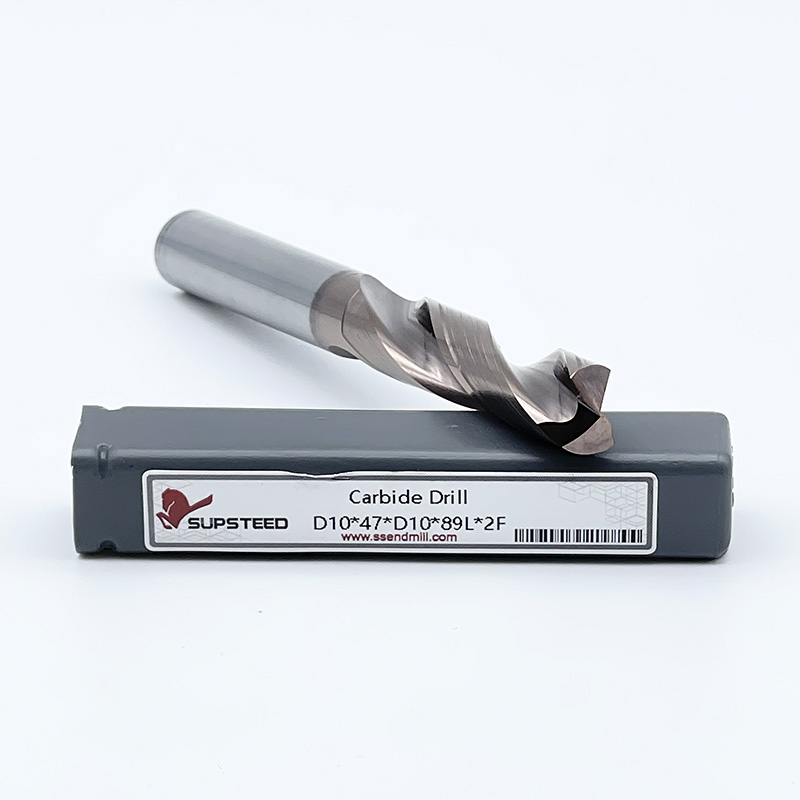
| Control Factor | Why It Matters |
|---|---|
| Tool drawing and design standard | Defines the intended edge form |
| Carbide blank quality | Supports edge strength and grinding stability |
| Grinding wheel condition | Affects edge profile and surface quality |
| CNC grinding parameters | Controls flute, relief and corner consistency |
| Coolant during grinding | Reduces thermal damage risk |
| Edge preparation method | Controls burr removal and edge radius |
| Flute polishing | Improves chip evacuation and surface finish |
| Coating preparation | Supports coating adhesion and appearance |
| Inspection method | Confirms edge condition before shipment |
| Batch traceability | Supports repeat order consistency |
These factors show why edge consistency is a process result. It cannot be created only by checking the finished tool.
Inspection helps verify whether the manufacturing process has produced a stable edge. The inspection method should match the tool type and precision level.
Useful inspection methods include:
| Inspection Method | What It Checks |
|---|---|
| Visual inspection | Burrs, chips and coating defects |
| High-magnification inspection | Micro-chipping and edge condition |
| Optical measurement | Edge profile and tool geometry |
| Diameter inspection | Tool size consistency |
| Runout inspection | Tool rotation consistency |
| Profile inspection | Ball nose, corner radius or roughing profile |
| First article inspection | Custom tool approval before batch production |
| Batch comparison | Repeat consistency between tools |
High-magnification inspection is especially useful when checking micro-chipping, edge radius consistency and burr removal. For custom tools, first article inspection helps confirm that the sample tool matches the drawing and application target before bulk production.
| Edge Problem | Possible Cause | Manufacturer Control |
|---|---|---|
| Burrs on cutting edge | Grinding residue or poor wheel condition | Deburring and edge inspection |
| Micro-chipping | Excessive grinding stress or weak edge | Controlled grinding and edge preparation |
| Over-honed edge | Excessive edge rounding | Controlled passivation time and inspection |
| Uneven edge radius | Inconsistent preparation process | Standardized edge prep parameters |
| Corner chipping | Weak corner protection | Corner radius or chamfer control |
| Poor flute finish | Grinding marks or rough flute surface | Flute polishing and visual inspection |
| Coating defects near edge | Poor surface preparation | Clean edge and coating inspection |
| Batch performance variation | Process drift | In-process checks and traceability |
This table helps buyers understand that edge consistency problems can come from several manufacturing stages. A professional manufacturer should be able to discuss how each stage is controlled.
Batch traceability helps connect each finished tool with production information, inspection results and shipment records. It is useful when buyers need repeat order consistency or when a tool performance issue needs investigation.
Batch traceability may include:
production lot;
carbide blank batch;
grinding program reference;
coating batch;
inspection date;
tool model;
order number;
operator or process reference;
final approval status.
Traceability does not automatically guarantee tool quality, but it helps manufacturers and buyers compare batches. If a repeat order performs differently, traceability gives the manufacturer a way to review process changes, material batches, coating lots or inspection history.
For buyers with long-term production programs, batch consistency is often as important as sample quality.
Buyers should ask practical questions when evaluating end mill quality control. The goal is not to demand every possible document, but to confirm whether the manufacturer has a controlled process.
| Buyer Question | Why It Helps |
|---|---|
| How do you define edge consistency? | Confirms whether supplier has a standard |
| Do you inspect edge condition under magnification? | Checks micro-defect control |
| How do you control edge preparation? | Confirms process repeatability |
| Can edge prep be adjusted by material? | Supports application-specific tools |
| Do you record first article results? | Important for custom tools |
| Can you compare batch consistency? | Important for repeat orders |
| How do you prevent coating defects near the edge? | Confirms coating preparation control |
| Can you provide inspection photos if needed? | Helps remote buyer approval |
For special materials, non-standard profiles or application-specific edge requirements, Custom Carbide End Mills should be reviewed with clear edge preparation targets, first article approval and inspection criteria.
SUPSTEED supports carbide end mill manufacturing, custom tool development, grinding control, edge preparation review, inspection discussion and batch consistency needs for B2B buyers.
When buyers need stable cutting results, the discussion can start from:
tool drawing;
workpiece material;
machining operation;
tool diameter;
flute number;
coating requirement;
corner form;
edge preparation target;
surface finish requirement;
tool life target;
inspection request;
sample approval;
repeat order needs.
For custom carbide end mills, SUPSTEED can help confirm edge form, corner protection, flute finish, coating preparation, first article inspection and repeat production requirements before bulk manufacturing.
A suitable edge control plan should match the application. Roughing, finishing, aluminum machining, hardened steel machining, stainless steel machining and micro machining may require different edge preparation strategies.
A milling tool manufacturer controls end mill edge consistency through standardized tool design, carbide blank selection, stable CNC grinding, wheel dressing, coolant control, edge preparation, flute polishing, coating preparation, high-magnification inspection and batch traceability. The goal is not to make every edge simply sharper. The goal is to keep edge form, edge radius, burr removal, corner protection and batch performance consistent with the intended machining application.
For B2B buyers, edge consistency matters because it affects tool life, edge chipping, cutting stability, surface finish, coating performance and repeat order reliability. Buyers should review how the manufacturer controls the edge from design to final inspection, especially for custom tools and bulk production.
Need help reviewing edge quality requirements for samples, custom tools or repeat orders? Contact SUPSTEED for end mill edge consistency review with your drawing, material, machining operation, edge requirement, inspection request and order quantity.
End mill edge consistency means the cutting edges are controlled according to the intended design, including edge sharpness, edge radius, burr removal, corner condition, flute finish and batch repeatability.
It affects cutting stability, tool life, edge chipping, surface finish, chip evacuation, coating performance and repeat order consistency.
No. The right edge depends on the material and operation. Some applications need a sharper edge, while others need stronger edge preparation to resist chipping.
CNC grinding forms the flute, relief, cutting edge, corner structure and profile. Stable grinding parameters and wheel condition help control edge repeatability.
End mill edge preparation is the process of removing burrs, reducing micro-defects and creating a controlled edge form through methods such as honing, brushing, polishing or passivation.
Manufacturers can control burrs and micro-chipping through proper grinding wheel condition, coolant control, deburring, edge preparation and high-magnification inspection.
Yes. Coating quality can be affected by burrs, grinding marks, micro-chipping and poor surface preparation near the cutting edge.
First article inspection confirms that the tool matches the drawing, critical dimensions and edge requirements before bulk production begins.
Batch traceability connects tools with production lots, material batches, coating batches and inspection results, helping compare repeat orders and investigate quality issues.
Yes. SUPSTEED can review drawings, workpiece materials, machining operations, edge preparation targets, inspection requirements and batch consistency needs for custom carbide end mills.


