- All
- Product Name
- Product Keyword
- Product Model
- Product Summary
- Product Description
- Multi Field Search

Views: 0 Author: Site Editor Publish Time: 2026-08-13 Origin: Site

Spindle runout can shorten milling tool life even when the tool material, coating and cutting parameters appear suitable. In milling, each flute should ideally share the cutting load in a balanced way. When runout exists, the tool does not rotate around a perfect centerline. One cutting edge may remove more material, while another edge may cut less or rub against the workpiece.
When spindle runout is high, choosing stable Milling Tools becomes more important because tool geometry, shank accuracy, flute design and carbide grade all affect wear balance and tool life.
Runout does not only affect surface finish. It changes chip load, cutting force, heat distribution, edge wear and tool vibration. Over time, this can lead to uneven flute wear, early edge chipping, unpredictable tool life and repeated tool breakage.
This article explains how spindle runout changes milling tool life and what buyers should check before blaming the cutting tool alone.
Spindle runout changes milling tool life by creating uneven tooth engagement and uneven chip load.
Key points include:
Runout makes the tool rotate away from its ideal centerline.
One flute may cut deeper than the others.
Some flutes may rub instead of cutting properly.
Uneven chip load increases local cutting force.
Higher local force accelerates milling tool wear.
Edge chipping often appears on the overloaded flute.
Tool vibration and poor surface finish may increase.
Small diameter tools are more sensitive to runout.
Long reach tools can amplify runout-related deflection.
Tool holder, collet, shank cleanliness and clamping condition should be checked before changing tool grade only.
A better milling tool can improve cutting stability and wear resistance, but it cannot fully correct excessive spindle runout, poor holder accuracy or worn collets.
Runout → Uneven Tooth Engagement → Uneven Chip Load → Edge Overload → Wear / Chipping → Shorter Tool Life
Spindle runout is the unwanted deviation of a rotating tool from its ideal centerline. In a perfect setup, the spindle, holder and tool rotate concentrically. In real machining, small errors may come from the spindle, tool holder, collet, tool shank, clamping method or dirt between contact surfaces.
Runout can be caused by:
spindle accuracy problems;
worn spindle bearings;
tool holder runout;
collet wear;
poor tool shank clamping;
dirt, chips or oil on contact surfaces;
damaged holder taper;
excessive tool overhang;
poor tool shank quality;
incorrect assembly.
Runout is usually small in measurement, but its effect can be large in milling. A few microns may look minor, but for precision milling tools, micro end mills or finishing tools, those microns can change how each flute cuts.
| Runout Type | Meaning | Possible Milling Effect |
|---|---|---|
| Radial runout | Tool rotates off-center from the spindle axis | Uneven flute load and side cutting error |
| Axial runout | Tool tip position varies along the spindle axis | Poor bottom finish and uneven end cutting |
| Tool holder runout | Holder does not clamp the tool concentrically | Higher vibration and poor repeatability |
| Collet runout | Worn or inaccurate collet shifts the tool center | Uneven cutting and flute wear imbalance |
| Assembly runout | Combined error from spindle, holder, collet, shank and clamping | Unstable tool life and inconsistent results |
This is why runout should be treated as a complete setup issue. The milling tool may be only one part of the problem.
Milling tools cut with multiple flutes. Ideally, each flute removes a similar chip thickness. This balanced cutting action helps control heat, cutting force, vibration and wear.
When runout exists, the cutting edges no longer share the load equally. The flute that protrudes farther from the rotation center may cut more than intended. Another flute may cut very little or rub instead of making a proper chip.
This imbalance affects:
chip load;
feed per tooth;
cutting force;
heat generation;
tool vibration;
surface finish;
tool wear pattern;
edge chipping;
predictable tool life.
For carbide milling tools, this is especially important because carbide performs well under controlled cutting conditions but may chip under unstable impact loads. Uneven tooth engagement can turn a stable milling process into a highly unpredictable one.
Chip load is the thickness of material removed by each cutting edge. In a stable setup, chip load is distributed across the flutes. Runout changes that distribution.
For example, a four-flute end mill should ideally let each flute carry similar load. With runout, one flute may become the main cutting flute. It removes more material, generates more heat and carries higher impact force. Other flutes may remove less material or rub the surface.
This creates several problems:
one flute wears faster;
overloaded flute edges chip earlier;
rubbing flutes generate heat;
surface finish becomes inconsistent;
cutting force becomes unstable;
vibration increases;
tool life becomes difficult to predict.
Uneven chip load milling is one of the main reasons spindle runout tool life problems are misunderstood. Buyers may think the carbide grade is wrong, but the real issue may be poor concentricity in the spindle-holder-tool assembly.
Runout changes tool life because it changes how force and heat are distributed across the tool.
| Runout Effect | Tool Life Result |
|---|---|
| One flute cuts more than others | Faster local edge wear |
| Higher peak cutting force | Greater chipping risk |
| Uneven chip thickness | Unstable tool load |
| Some flutes rub instead of cut | Heat and coating wear |
| Poor concentricity | Shorter predictable tool life |
| More vibration | Surface defects and edge fatigue |
A milling tool is designed to share cutting work through its geometry. If one flute carries too much load, the tool no longer performs as designed. The overloaded flute may chip, wear rapidly or fail before the other flutes reach normal wear condition.
This is why runout and tool life should be reviewed together. Tool life is not only determined by carbide grade, coating or cutting speed. It also depends on how accurately the tool rotates under load.
Edge chipping is a common symptom of runout-related tool life problems. When one cutting edge takes more chip load than the others, it receives repeated impact at a higher force level. This can create micro-chipping, corner damage or sudden edge failure.
Flute wear imbalance may appear as:
one flute worn more than others;
one cutting edge chipped while others look usable;
uneven coating wear;
localized heat discoloration;
one corner failing first;
unstable surface marks;
repeated breakage at similar tool life.
These patterns can help identify runout problems. If all flutes wear evenly, the issue may be normal cutting wear. If one flute consistently fails early, runout, holder accuracy, collet condition or tool shank clamping should be checked.
Although this article focuses on tool life, spindle runout also affects surface finish and dimensional accuracy. When the tool rotates off-center, the cutting path becomes less consistent. The workpiece may show uneven marks, waviness or poor wall quality.
Common results include:
poor side wall finish;
visible cutter marks;
poor bottom finish;
inconsistent slot width;
inaccurate pocket size;
poor circular interpolation quality;
reduced finishing stability.
Surface finish problems are often linked to chip load imbalance. The overloaded flute may cut too deeply, while other flutes do not properly finish the surface. This can create inconsistent texture even when the programmed toolpath is correct.
For precision components, mold work and small tool machining, runout control is essential for both tool life and part quality.
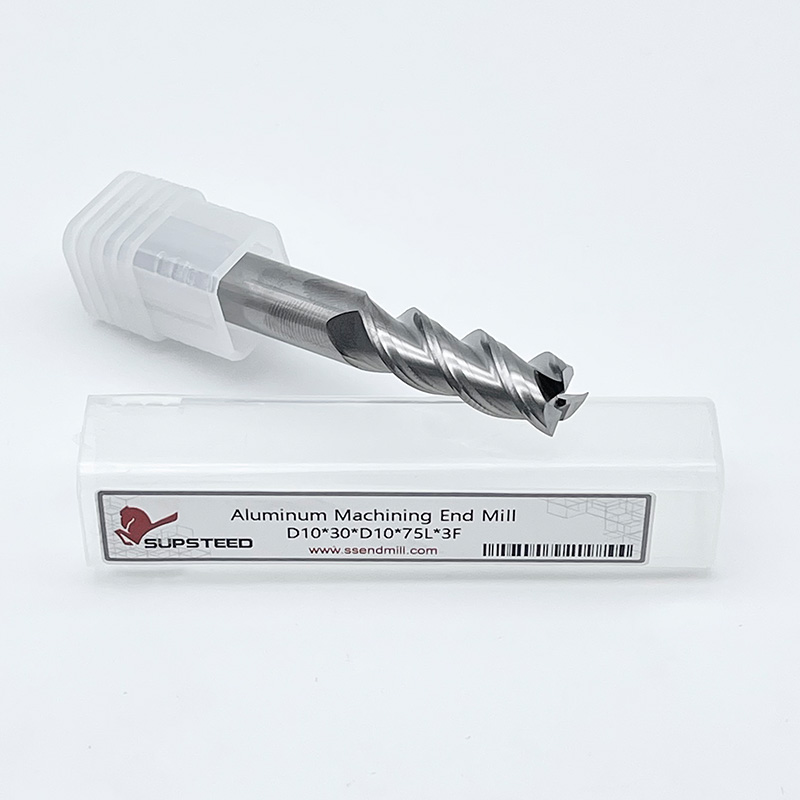
Small diameter milling tools are more sensitive to runout because the same runout value becomes a larger percentage of tool diameter and chip load.
For example, a few microns of runout may be less serious on a large roughing tool, but it can be severe for a micro end mill or small finishing tool. The smaller the tool, the less margin it has for eccentric rotation and uneven chip load.
Small diameter end mill runout may cause:
sudden tool breakage;
one-flute cutting;
poor micro-feature accuracy;
rapid edge chipping;
unstable surface finish;
difficulty maintaining tool life.
In small tool applications, high-precision holders, clean clamping surfaces, proper shank insertion and low runout setup become more important. Tool selection should also consider flute count, edge strength, coating and cutting parameters.
Long reach tools are also sensitive to runout because long overhang reduces stiffness. When the tool extends farther from the holder, small rotation errors can create larger deflection and vibration at the cutting edge.
When deep pockets or extended-reach features increase overhang, Long Reach End Mills should be selected carefully because runout, deflection and vibration can shorten tool life faster.
Long reach end mill runout may lead to:
amplified vibration;
tool bending;
chatter marks;
uneven flute wear;
edge chipping;
wall taper;
poor deep pocket finish;
shorter tool life.
For long reach machining, buyers should avoid excessive flute length when it is not needed. They should also review tool diameter, neck design, holder grip, cutting depth, radial engagement and finishing allowance.
Before changing tool grade or coating, it is useful to check the full setup. Many milling tool wear problems come from holder condition, collet accuracy or tool clamping rather than tool quality alone.
Buyers and machinists should check:
spindle nose condition;
tool holder taper condition;
collet wear;
collet cleanliness;
tool shank cleanliness;
tool shank diameter consistency;
clamping force;
tool overhang;
measured runout near the tool tip;
runout after tool assembly;
runout under different holders;
wear pattern on each flute.
If one holder produces poor tool life and another holder improves performance, holder accuracy may be the issue. If the same tool runs poorly on one machine but better on another, spindle accuracy or machine condition may need review.
Runout should be checked at the actual assembled tool position, not only at the spindle alone.
Reducing runout-related tool life problems requires a complete setup review. The goal is to improve tool concentricity, balance chip load and prevent one flute from carrying too much force.
| Problem Found | Practical Response |
|---|---|
| High measured runout | Check spindle, holder, collet and tool shank |
| Uneven flute wear | Inspect chip load, runout and holder condition |
| Edge chipping on one flute | Reduce runout and cutting impact |
| Poor surface finish | Check tool concentricity and feed per tooth |
| Short life on small tools | Use high-precision holders and reduce overhang |
| Long reach vibration | Shorten overhang if possible and adjust cutting depth |
| Heat on one edge | Review coolant, chip evacuation and load balance |
| Repeated tool breakage | Check runout before changing tool grade only |
Other practical actions include cleaning contact surfaces, replacing worn collets, using accurate holders, reducing unnecessary overhang, checking tool shank quality and selecting tool geometry that matches the application.
For unstable cutting conditions, special workpiece materials or unusual tool reach requirements, Custom Carbide End Mills can be reviewed according to runout sensitivity, tool diameter, flute design and machining goals.
To recommend the right milling tools, a supplier needs more than the material name. Runout-related problems require setup information and wear symptoms.
Useful details include:
workpiece material;
tool diameter;
flute number;
tool overhang;
holder type;
collet type;
measured runout value;
spindle speed;
feed per tooth;
radial depth of cut;
axial depth of cut;
coolant or air blast condition;
tool wear photo;
edge chipping location;
current tool life;
expected tool life;
surface finish requirement;
machining goal.
This information helps separate tool selection problems from setup problems. It also helps the supplier decide whether the solution should be a different tool geometry, stronger edge, different coating, shorter overhang, custom tool design or parameter adjustment.
SUPSTEED supports carbide milling tool selection for roughing, finishing, hard milling, micro machining, long reach machining and custom tool applications. When customers face short tool life, edge chipping, uneven flute wear or surface finish instability, the issue may be related to runout, holder condition, tool overhang or cutting parameters.
SUPSTEED can help review:
workpiece material;
current milling tool type;
tool diameter;
flute number;
cutting length;
overhang length;
tool holder condition;
runout symptoms;
wear pattern;
machining depth;
spindle speed;
feed per tooth;
surface finish requirement;
tool life target.
Before changing tool grade only, check spindle runout, collet condition, tool holder accuracy, shank clamping and feed per tooth. SUPSTEED can help connect tool wear symptoms with possible setup and tool selection issues.
Spindle runout changes milling tool life by creating uneven tooth engagement and uneven chip load. When one flute cuts more than others, that cutting edge carries higher force, heat and impact, while other flutes may rub or cut less. This leads to uneven wear, edge chipping, poor surface finish, vibration and shorter, less predictable tool life.
Runout problems are especially serious for small diameter milling tools, precision finishing tools and long reach end mills. A high-quality carbide tool can improve cutting stability and wear resistance, but it cannot fully correct excessive spindle runout, poor holder accuracy, worn collets or improper clamping.
Send SUPSTEED your workpiece material, tool diameter, flute number, tool overhang, holder type, measured runout, cutting parameters, wear photo and tool life target to discuss a suitable milling tool solution.
Spindle runout changes milling tool life by creating uneven chip load. One flute may cut more than others, causing faster wear, higher heat and early edge chipping.
Milling tool runout is the deviation of the rotating tool from its ideal centerline. It may come from the spindle, holder, collet, tool shank or assembly condition.
Runout makes one flute protrude farther from the rotation center. That flute cuts more material and wears faster than the others.
Yes. Runout can increase local cutting force on one flute, causing impact load, micro-chipping, corner chipping or sudden edge failure.
Yes. Runout can create uneven cutting marks, poor wall finish, poor bottom finish and inconsistent dimensional accuracy.
Yes. Small diameter tools are very sensitive because even a few microns of runout can become a large percentage of chip load or tool diameter.
Long reach tools have more overhang, which increases deflection and vibration risk. Runout can amplify these problems and shorten tool life.
Not immediately. Check spindle runout, holder accuracy, collet condition, tool overhang, chip load and wear pattern before changing tool grade only.
Use accurate holders, clean contact surfaces, replace worn collets, reduce unnecessary overhang, check tool shank quality and adjust cutting parameters.
Yes. SUPSTEED can review material, tool diameter, flute number, overhang, holder condition, runout symptoms, wear pattern and cutting parameters to recommend suitable milling tools.


